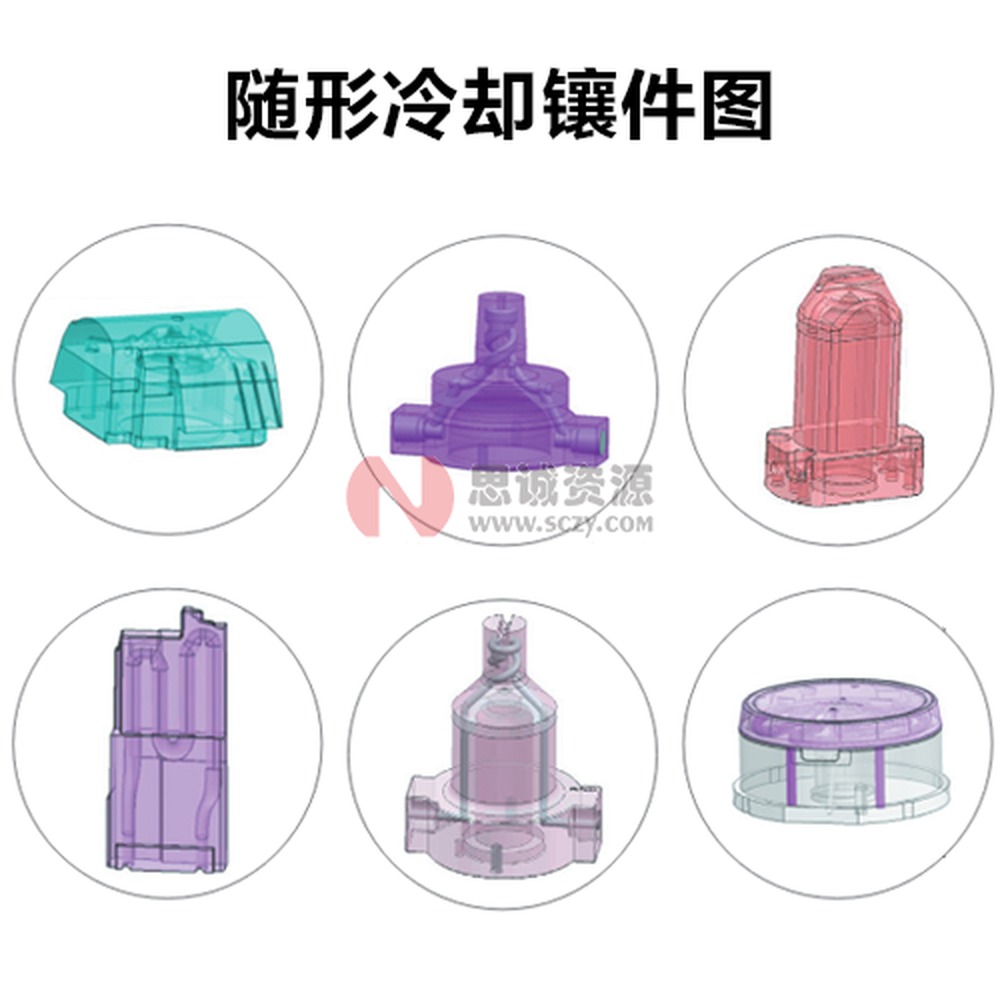
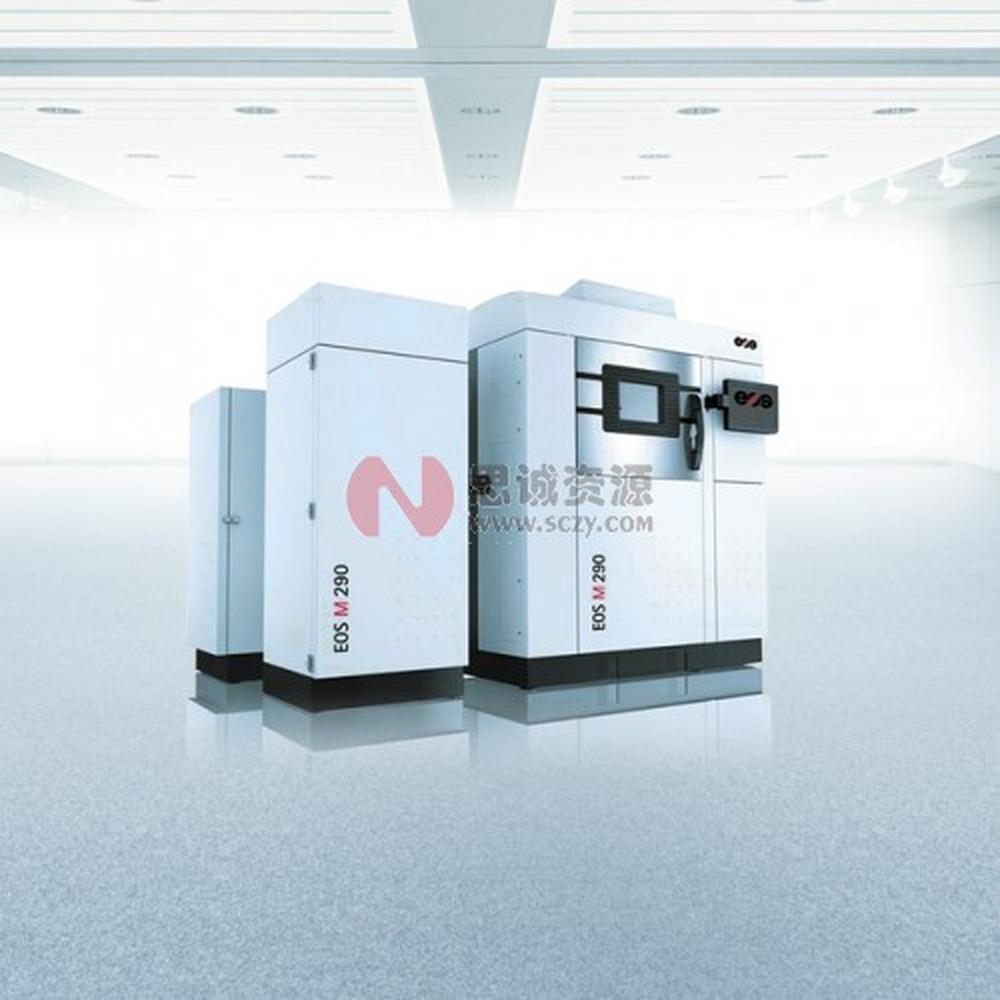
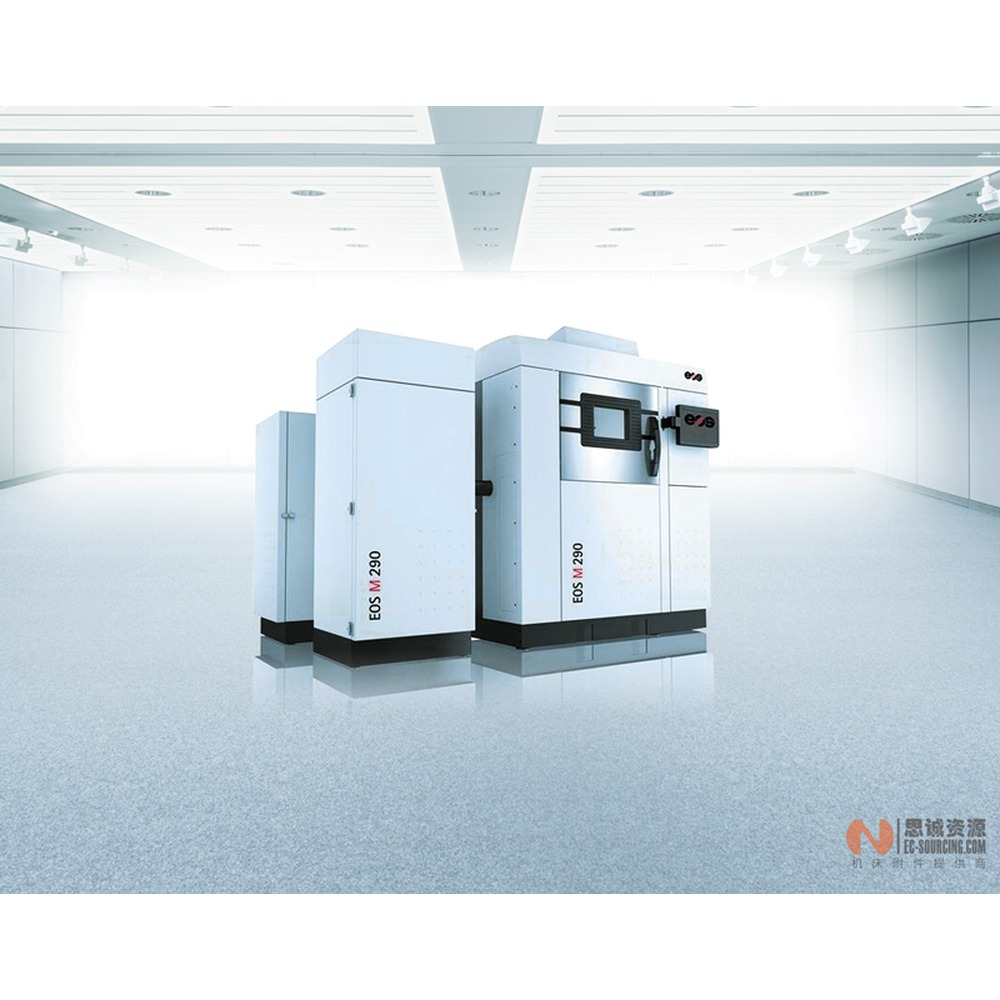
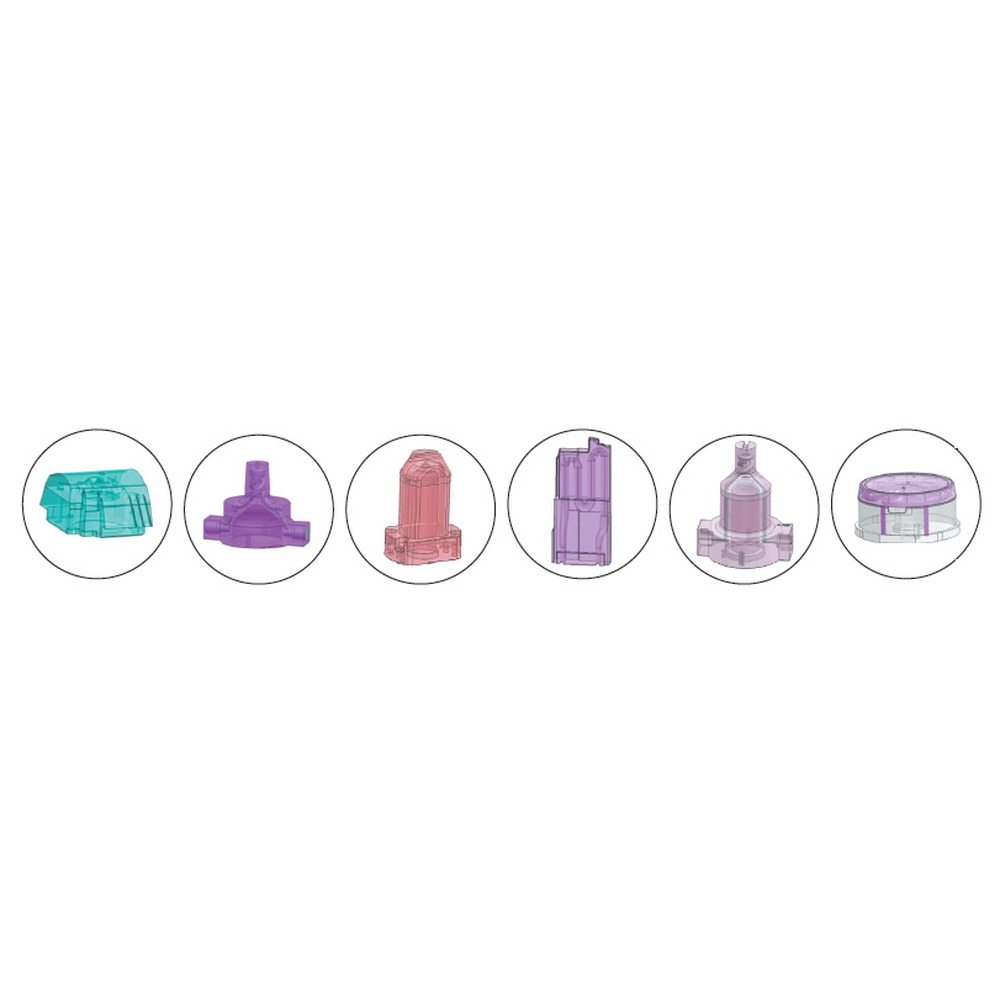
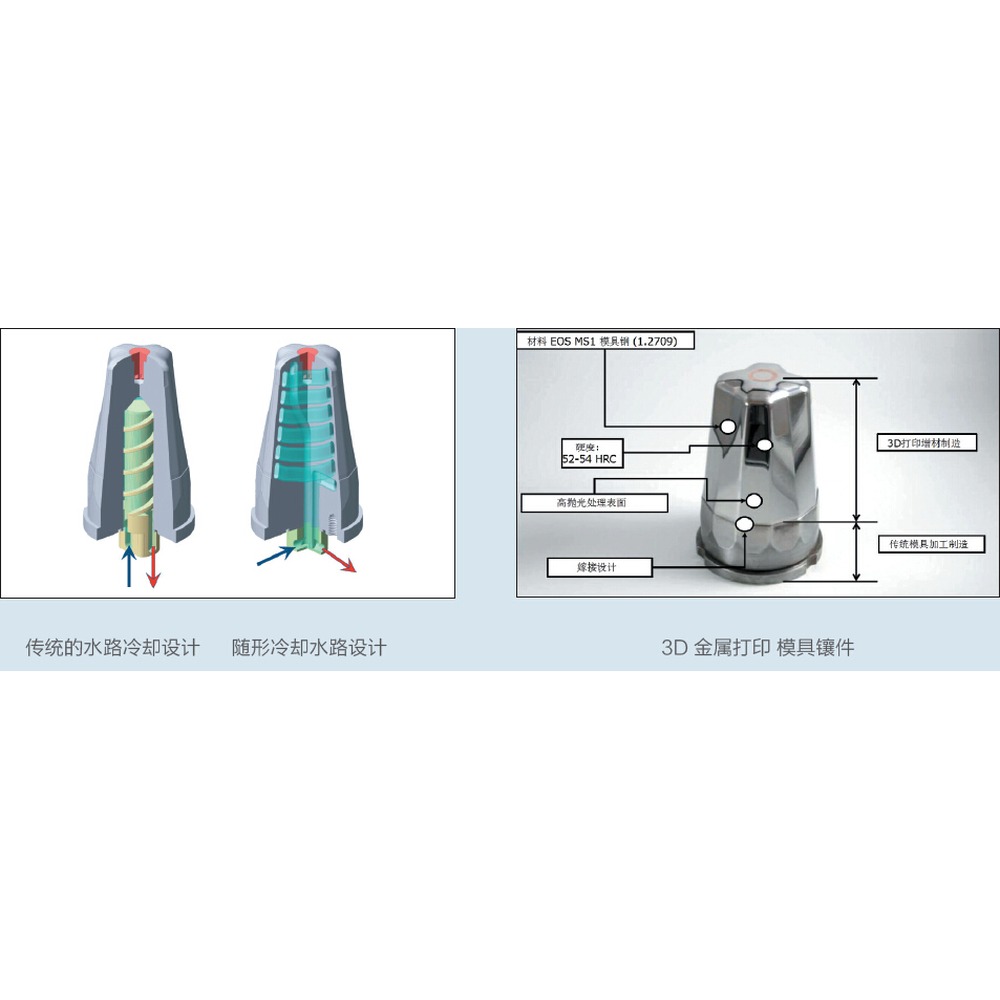
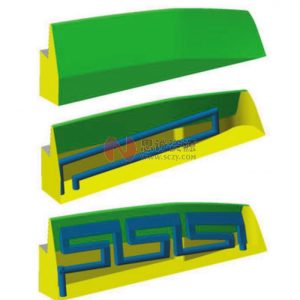
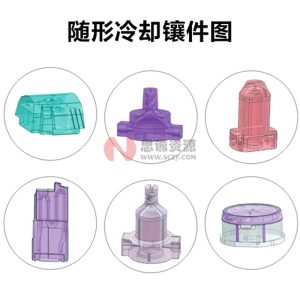
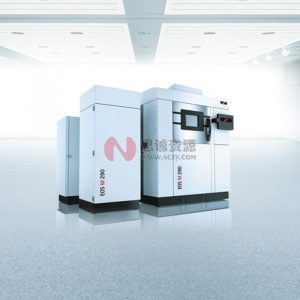
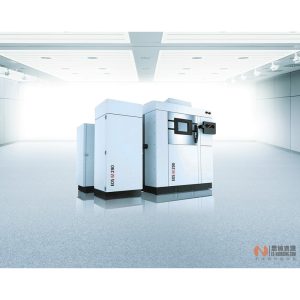
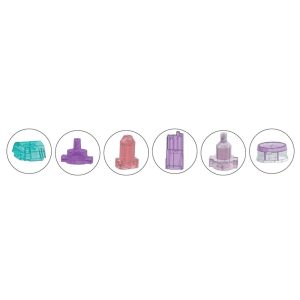
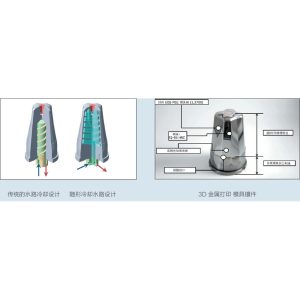
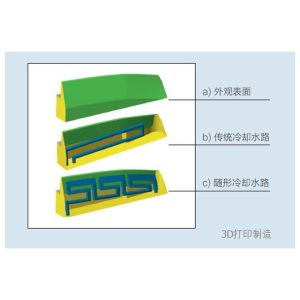
Mould inserts and conformal cooling channels printed in metal, on German EOS equipment.
1. What additive manufacturing brings, compared with conventional mould making
- Unlimited design complexity
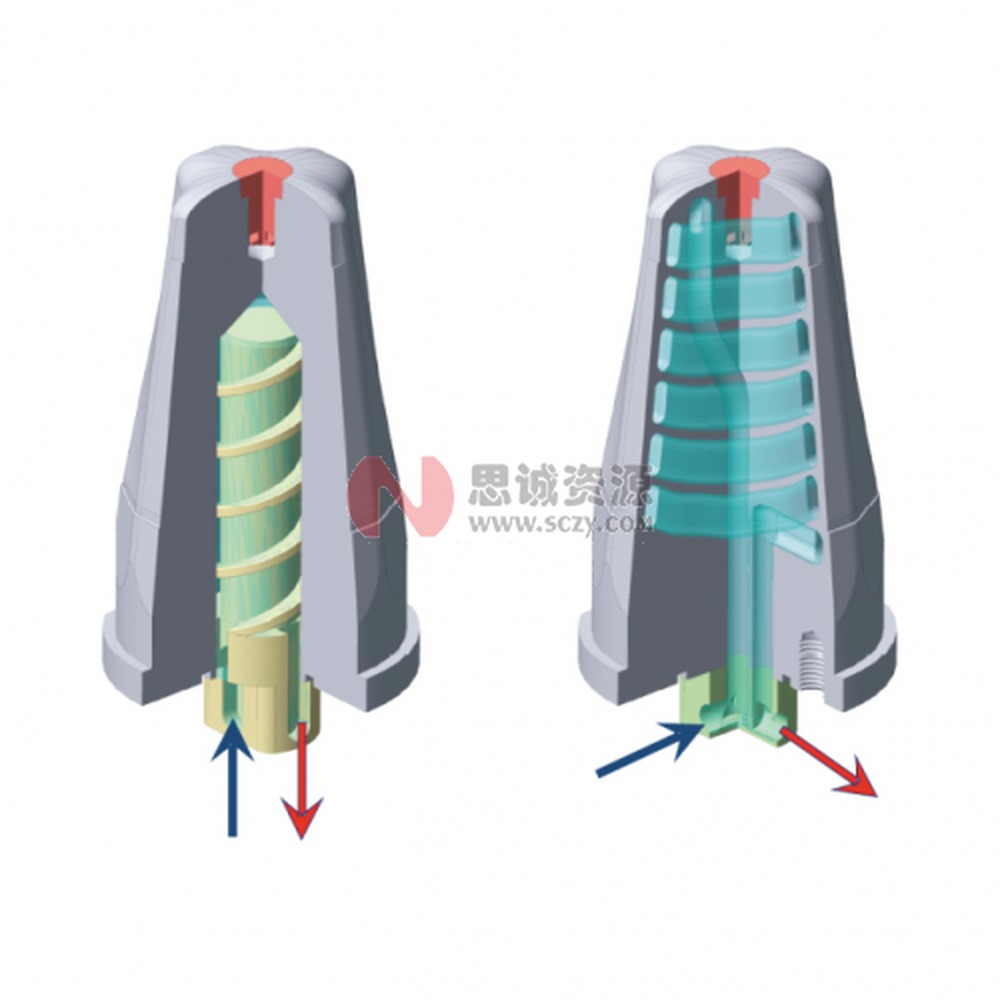
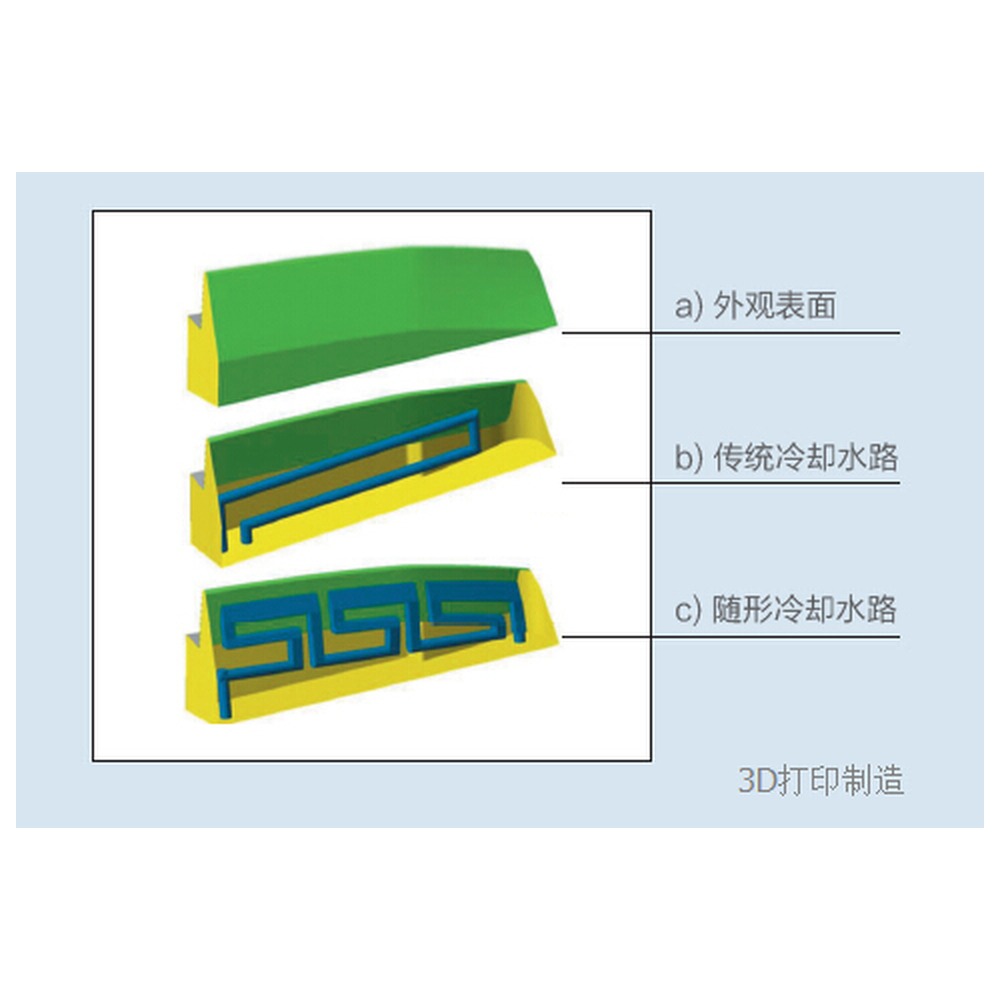
- Conformal cooling and heating channels
- Less post-processing, including less EDM work
- Lighter parts
- Shorter machining time
Lower cost, through higher productivity, better part quality and a lower unit price. An insert that is about 10 percent of mould cost can raise mould performance by 25 percent or more.
- A customised process route: conformal cooling design, verified by simulation before the part is built
- Shorter lead time: powder is held in stock, so there is no material lead time, and design drives the process, which cuts set-up and adjustment time
- Less trial-and-error on the press
2. Conformal cooling inserts
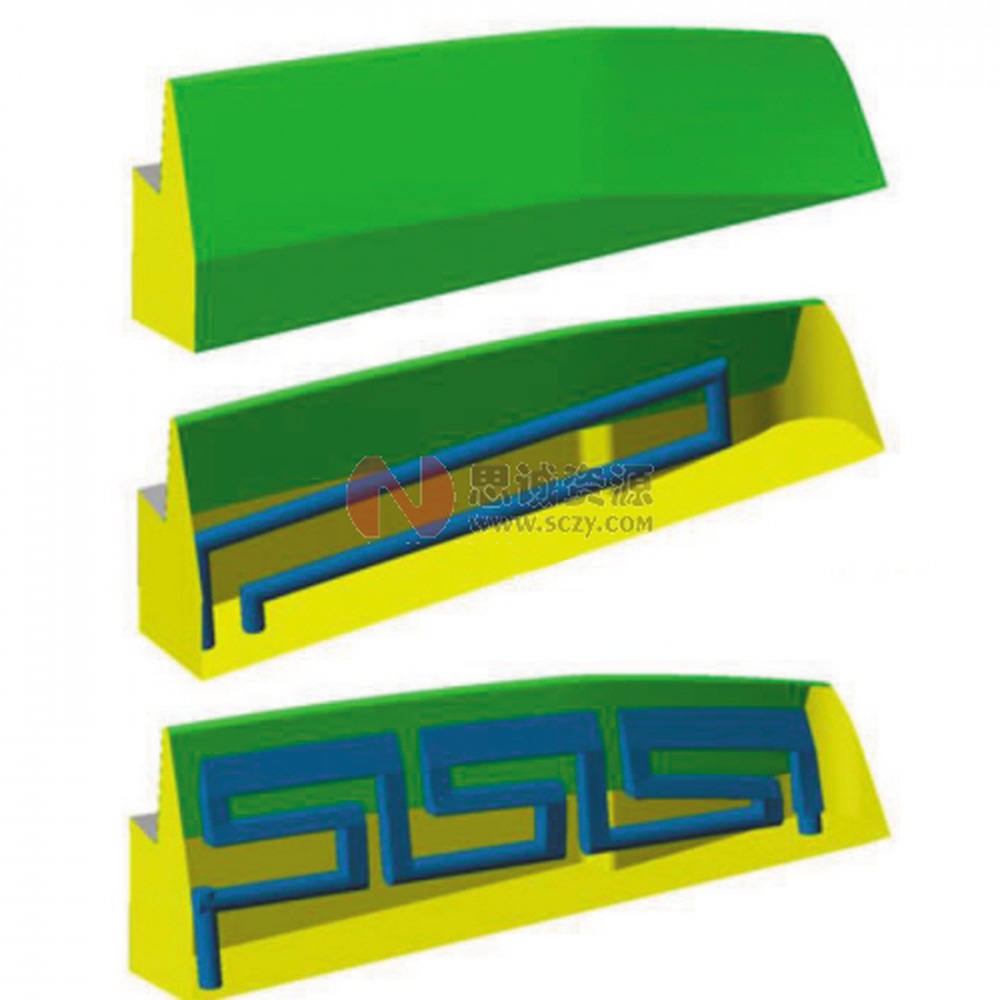
Conformal channels follow the shape of the part instead of being drilled in straight lines, so heat is removed where it actually builds up. The result is a shorter cycle, better part quality and less scrap.
3. Applications in mould making
Injection moulds for thermoplastics and elastomers: conformal cooling removes heat faster and more evenly, which shortens the cycle and improves part quality.
Special cases: repaired inserts, and blow moulding. A locally damaged insert can be rebuilt instead of replacing the whole block, which saves cost and shortens the repair cycle.
Die casting for aluminium and zinc: conformal channels shorten the cycle and raise output.
Rapid tooling: production and trial moulds can be built in far less time than a conventionally machined insert, and part quality improves, which lowers part cost.
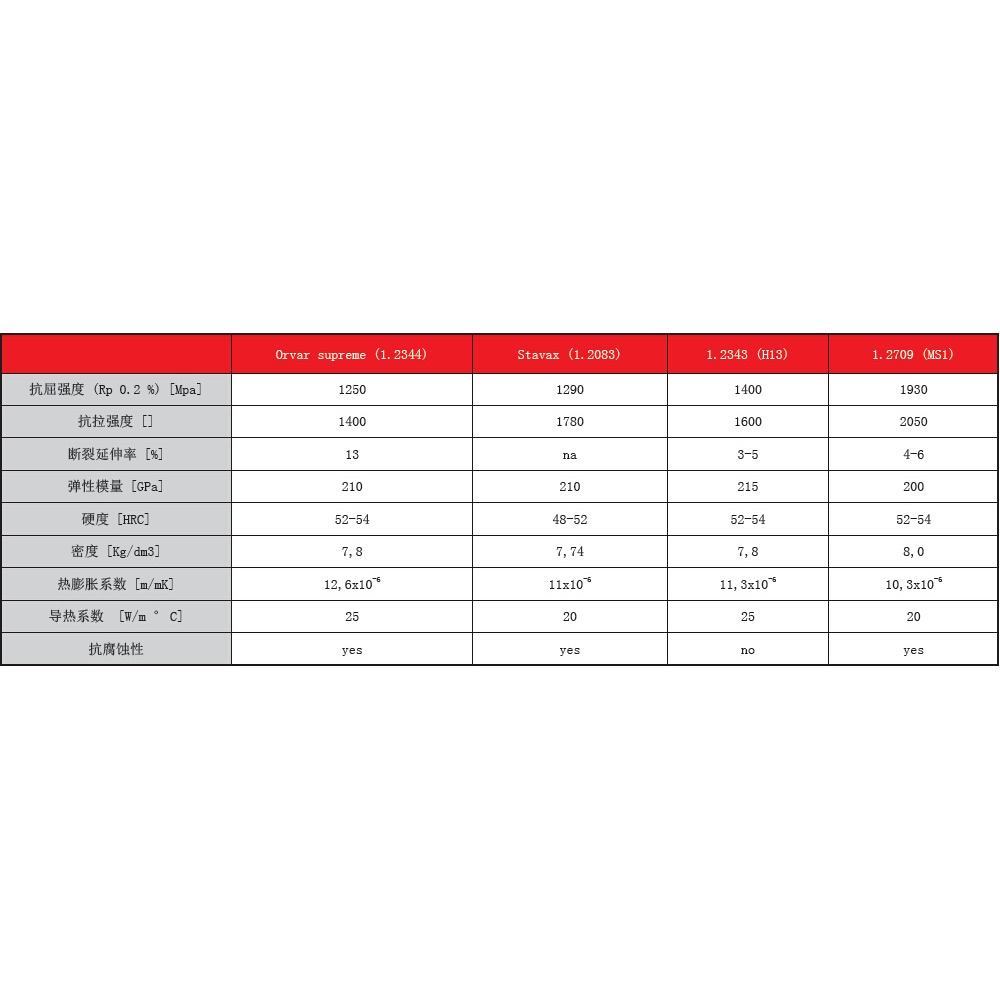
4. EOS mould steel
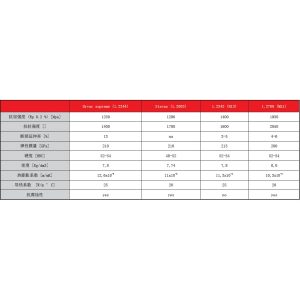
EOS mould steel performs very well against standard mould steels, with high hardness, good polishability and homogeneous properties after heat treatment.
5. Case studies
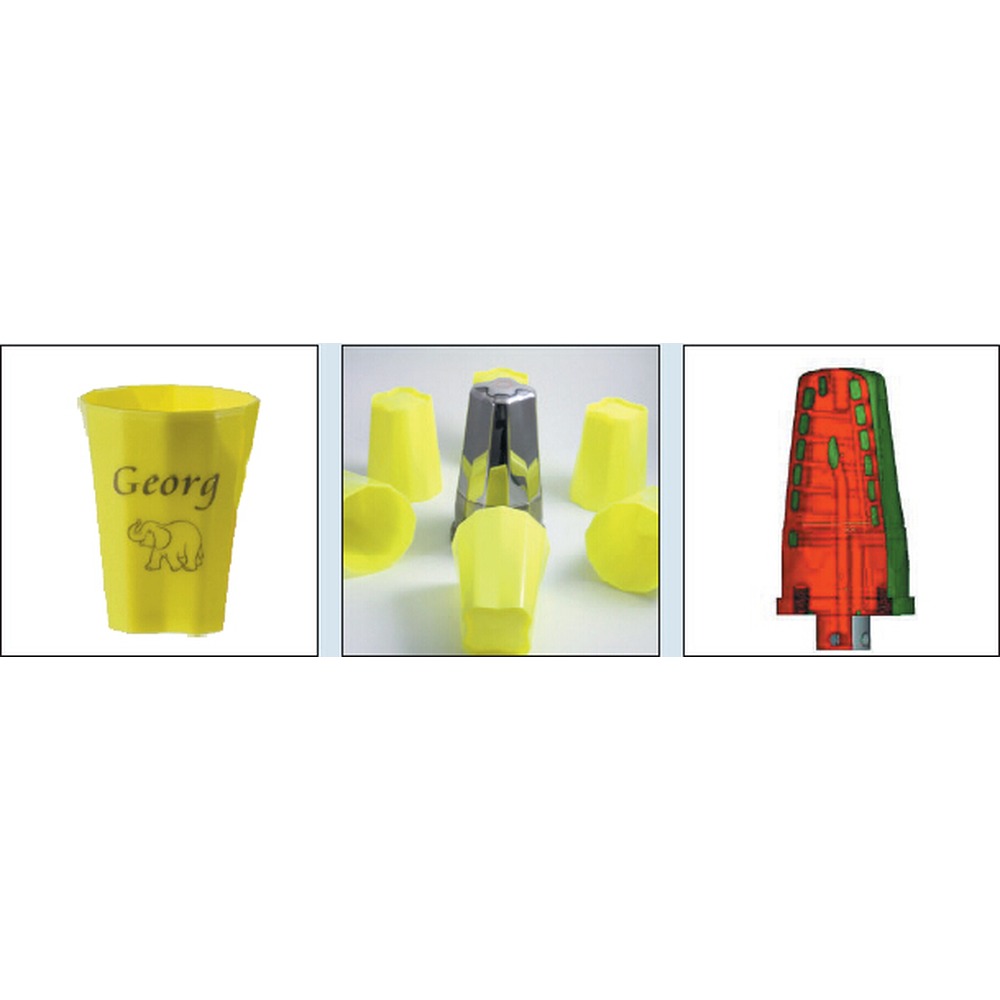
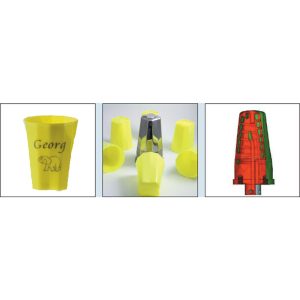
Case 1, single cavity, hybrid design: a 3D printed insert with conformal cooling, 52 to 54 HRC, high polish, 35 hours to build. Scrap fell, part distortion improved, and the cycle dropped from 24 s to 13.8 s, a 42.5 percent reduction.
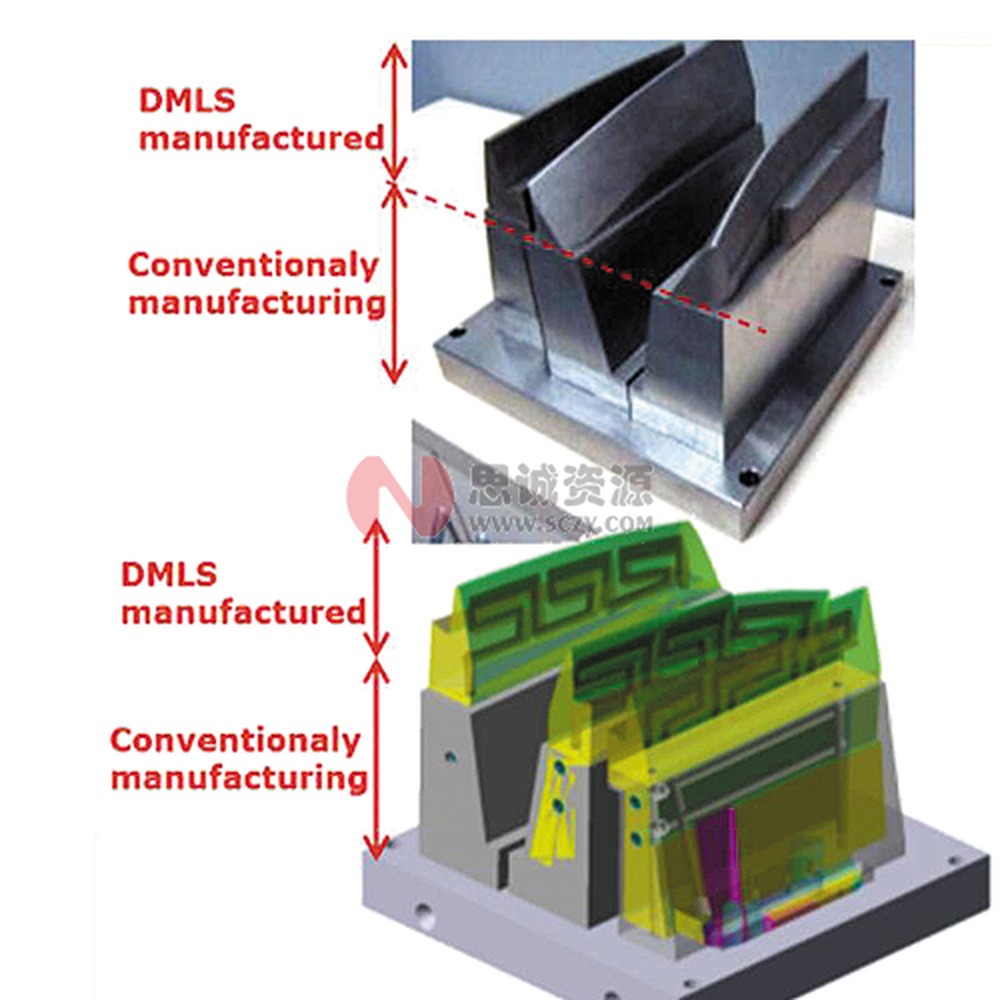
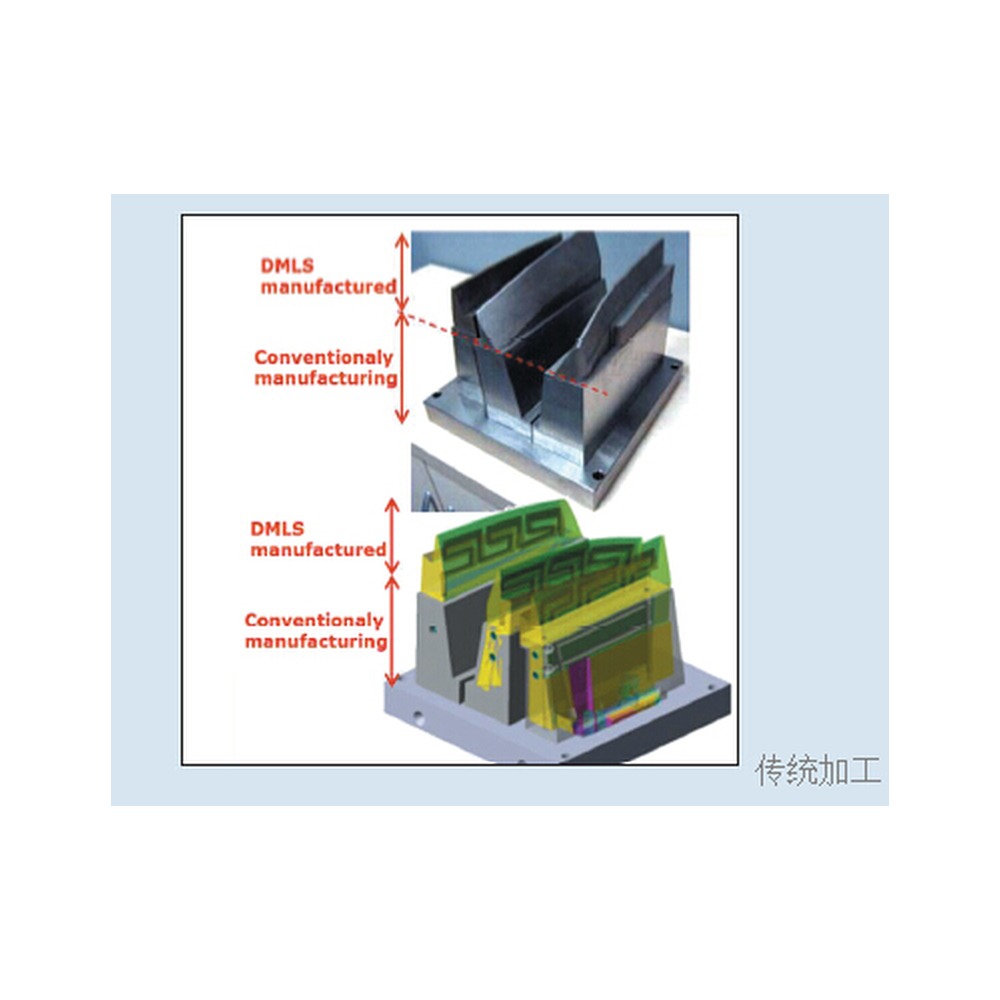
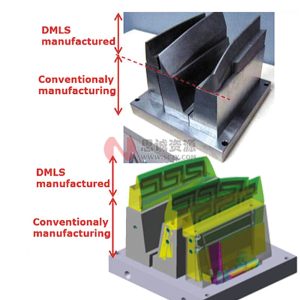
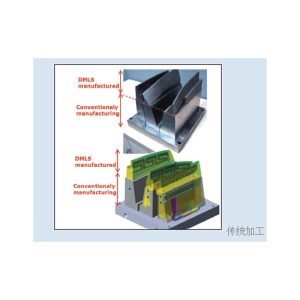
Case 2, hybrid structure: the lower base is CNC machined and the upper section is 3D printed in EOS MS1. Machining 5 h, printing 25 h, post-processing 5 h. Distortion fell and structural performance improved, surface finish was better, cooling time dropped from 56 s to 35 s (37 percent), cooling temperature fell from 102 to 82 degrees C, the temperature gradient fell from 80 to 30 degrees C, and output rose from 1 to 2 parts per minute.
6. Questions we are often asked
Will it work for my part? Direct metal laser sintering suits parts whose geometry is complex or tightly toleranced, where conformal cooling is possible or necessary, and where conventional machining cannot do the job, for example repairing an insert instead of remaking the whole mould.
Can you design the cooling channels? Yes. Simulation is used to locate hot spots and predict the cycle, and we can train your team so the design method is applied correctly in house.
What accuracy can be held? Around plus or minus 0.04 to 0.06 mm on small parts, and plus or minus 0.2 percent of the nominal dimension on large parts. Machining allowance of 0.3 to 0.5 mm is normally left for finishing.
How well can it be polished? SPI A-3 or A-2 is achievable. A mirror finish is harder, as with conventional material, because titanium oxide may be present. To get the best polish, machine the insert before polishing.
Can it be textured or coated? Yes. Although the part is laser sintered, MS1 powder (DIN 1.2709) behaves like conventionally made 1.2709 steel, so it can be heat treated or coated in the usual way. Below 400 degrees C, coating is the recommended route.
What post-processing suits MS1 inserts? EDM is straightforward, coating or nitriding is straightforward (nickel or PVD coating recommended), the surface can be polished in detail, and laser welding is possible.
7. Summary
- 3D metal printing answers the plastics industry’s pressure for better quality, shorter cycles, lower cost and sustainable production
- It gives innovative companies a competitive edge in a global market
- It extends the process chain rather than replacing it: CNC and EDM remain, and printing covers the geometries they cannot reach, especially where cycle time and cost matter
We will keep supporting customers with metal AM work, from the first feasibility study through to production.