Video Measurement Microscopes: How 2D Vision Measuring Systems Work and How to Choose One
A practical guide to video measurement microscopes: how 2D vision measuring systems work, what they measure best, and the specs that matter before you buy.


A practical guide to video measurement microscopes: how 2D vision measuring systems work, what they measure best, and the specs that matter before you buy.
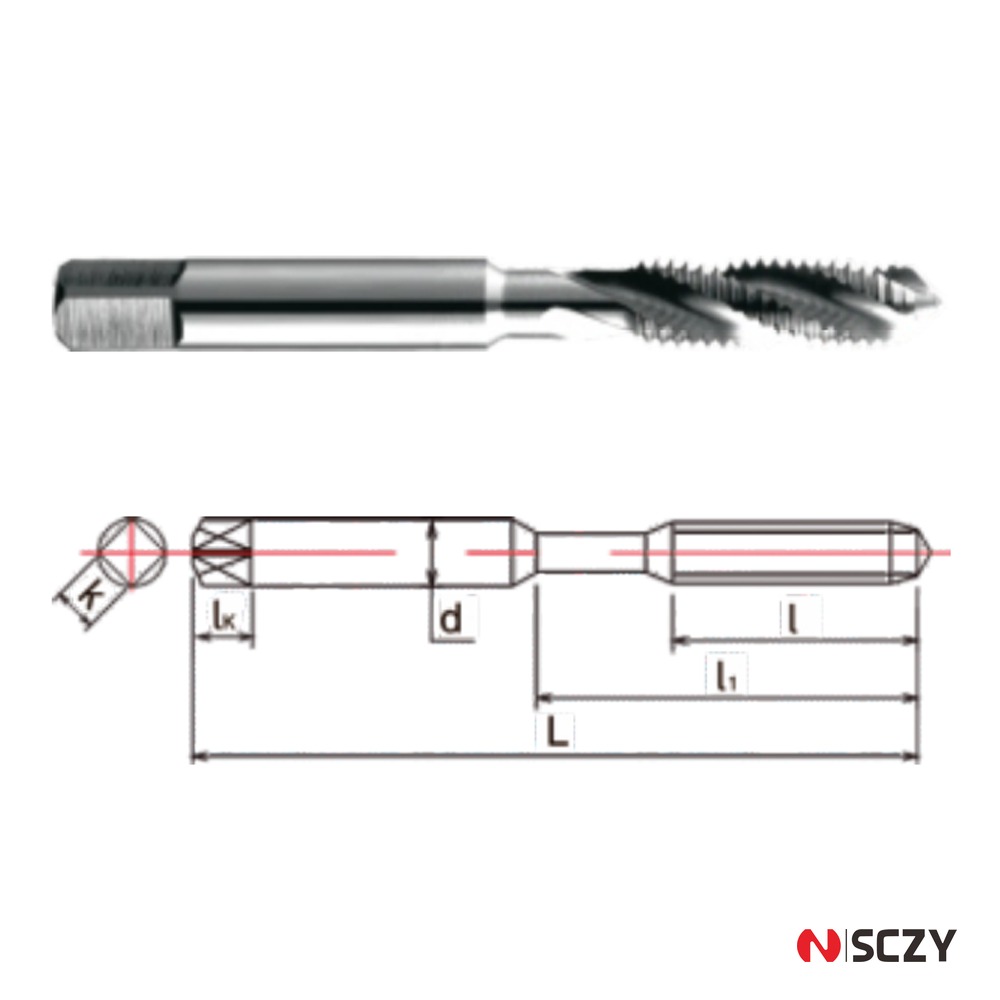
Thread forming taps press a thread instead of cutting one: drill sizing at 0.45 x pitch, forming torque, material limits and the failure modes that matter.
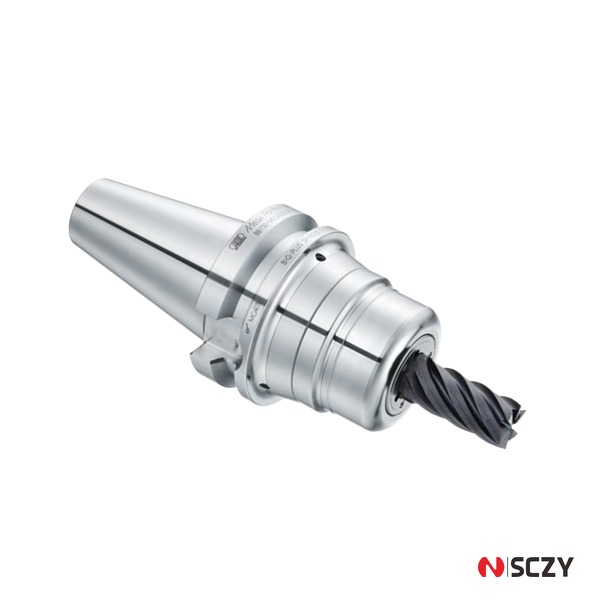
BT50 vs BT40 vs BT30 compared: taper dimensions, drawbar force, holder mass and the heavy cuts where the big taper pays off.

How dovetail fixtures hold thin-wall parts from below, how to size tabs and pull-out force, and when they beat 5-axis vises and vacuum.

How a sine magnetic chuck generates angles from a gauge block stack, where it beats clamps, and what actually limits angle accuracy.
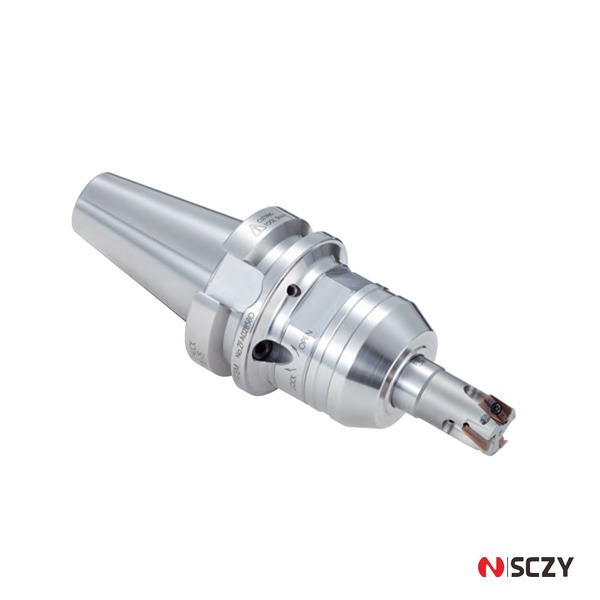
How the oil chamber inside a hydraulic expansion chuck delivers repeatable 3-micron TIR, real damping for thin-wall work, and where its torque limits draw the line.
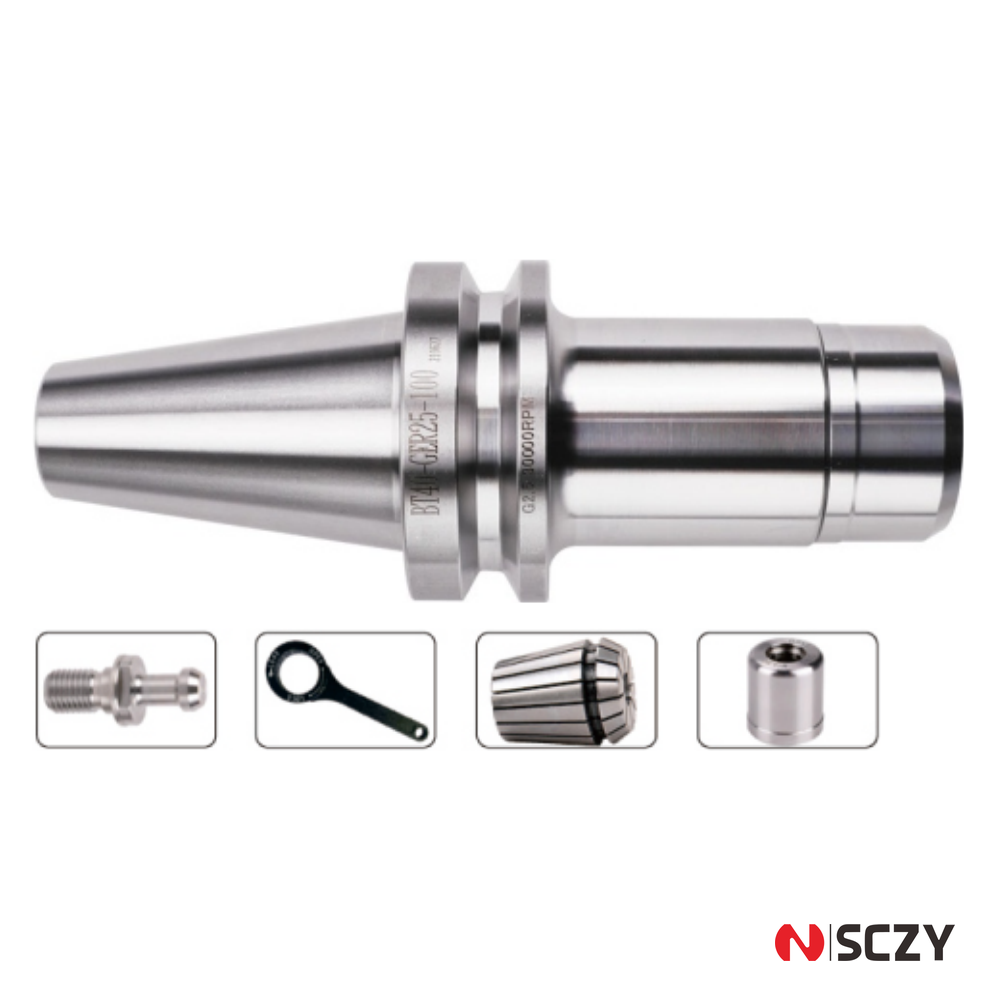
How to size an ER collet chuck from ER11 to ER40: clamping range rules, nut torque, bearing nut gains, runout limits and the clearance check catalogues skip.

How to tell a bench stylus profilometer from a handheld roughness tester, what the datum and stylus geometry do to your numbers, and which class your drawing set actually requires.

A practical buyer’s guide to CNC drill chucks: keyed vs keyless designs, what TIR runout ratings really mean, and which shank option fits your spindle.

How roughing end mill chip splitter geometry, pitch and flute count drive stock removal, and which holders keep heavy roughing chatter-free.