
A 6 mm end mill cutting a 40 mm deep pocket in P20 mold steel is one of the least forgiving setups in a machine shop. The tool is slender, the overhang is long, and every micron of runout at the holder face turns into a visible mark on the wall and a shorter tool life. Shops often blame the cutter. More often the holder is the limiting factor.
Three holding technologies dominate small-tool milling: ER collet chucks, hydraulic expansion chucks, and shrink-fit holders. Each is correct somewhere and wrong somewhere else, and the price gap between them is large enough that buyers ask us about it every week. This guide compares them on the numbers that actually affect a cut, explains where each one earns its cost, and lists the specifications worth writing into a purchase order.
The Short Version
- ER collet chucks — widest clamping range, lowest cost, fastest to stock. Runout of 10–20 µm is normal; fine for general milling, drilling and tapping, marginal for small tools in deep cavities.
- Hydraulic chucks — 2–5 µm runout with excellent vibration damping, one-hand tightening, ideal for finishing and for delicate small-diameter work.
- Shrink-fit holders — the stiffest connection available, 3 µm or better runout, best for high-speed finishing and deep pockets, but each holder grips one shank diameter and needs an induction heater.
If you run one holder family for everything, you are almost certainly overpaying on some jobs and under-holding on others.
Why Holder Choice Matters More at Small Diameters
Runout error at the holder face does not stay at the holder face. A holder that measures 15 µm TIR with a 6 mm cutter on a 40 mm gauge length produces a cutting-edge radial error that is magnified by the ratio of overhang to diameter. In practice, a tool running 6× diameter overhang will show roughly double the eccentricity you measured at the nut, and the load lands on one or two flutes instead of being shared.
The consequences are cumulative rather than dramatic: one flute wears first, the cutting force vector drifts, chatter appears at a lower depth of cut, and the surface finish needs a second pass. On a finishing operation where the tolerance is ±0.02 mm, that is the difference between holding size and scrap.
Rigidity matters just as much. The holder-to-tool interface is the softest link in the chain — softer than the spindle taper in most cases — because it is the smallest diameter carrying the full bending moment. A collet grips along a short contact length with a split sleeve; a hydraulic chuck grips over a full 360° sleeve; a shrink-fit holder grips with an interference fit over the full insertion length. That progression is the real reason the three technologies exist.
How Each Technology Actually Works
ER Collet Chucks
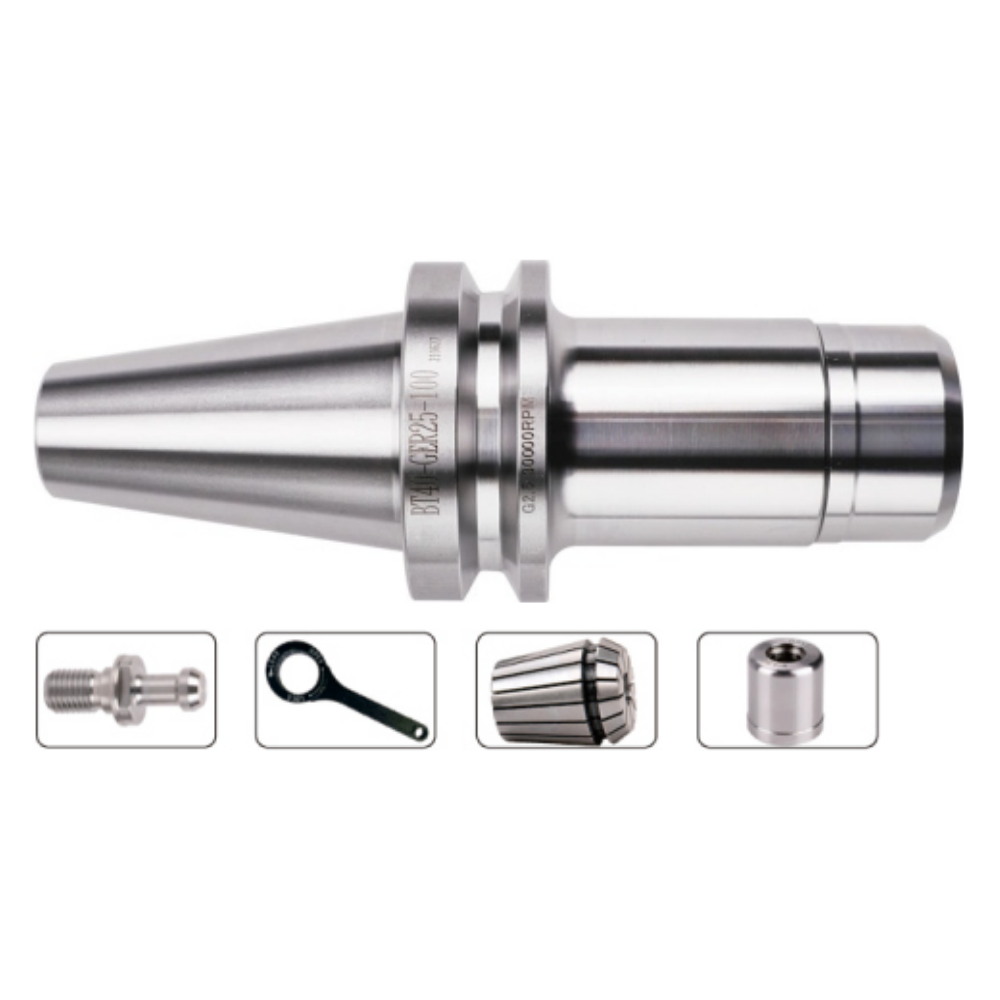
An ER collet is a split spring sleeve compressed by a nut. The nut’s internal taper drives the collet into the holder’s 8° taper, closing the sleeve onto the tool shank. Clamping range is generous — an ER32 collet set covers 2 mm to 20 mm in 1 mm steps — and one holder accepts any of them.
Mechanically, the collet contacts the shank along its full length but only through the closed segments, and the nut adds a small axial pull that can shift the tool slightly as it is tightened. That is why the tool should always be measured after final torque, not before. Standard ER collets hold runout in the 10–20 µm band; precision “UP” grade collets can reach 5 µm, but only when paired with a holder whose taper is equally good and a nut that is clean and correctly torqued.
Torque is the most common failure point in the field. An ER32 nut is typically specified around 130–140 N·m, which most operators reach with a proper spanner and a bit of body weight — and almost nobody verifies. Under-torqued nuts let the tool slip under load; over-torqued nuts bell the collet and destroy its concentricity.
Hydraulic Expansion Chucks
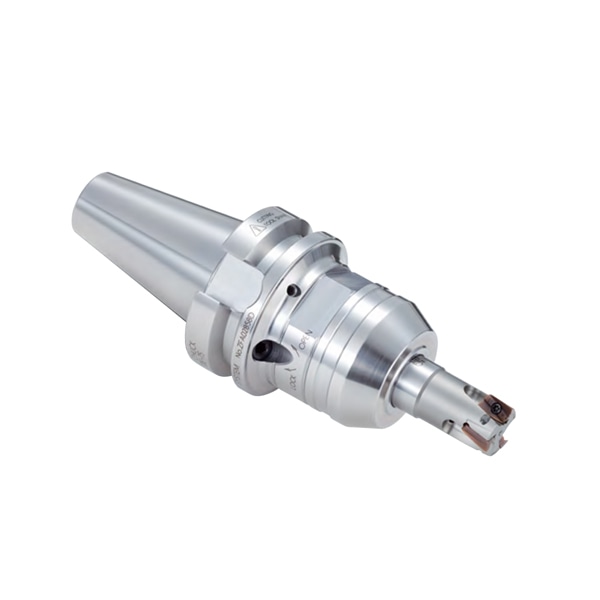
A hydraulic chuck contains a sealed oil chamber around a thin-walled sleeve. Turning the actuation screw pressurises the oil, and the sleeve collapses uniformly onto the shank. Because pressure is hydrostatic, contact is even around the full circumference and along the full clamping length.
The result is 2–5 µm runout, high repeatability, and damping that noticeably reduces chatter — the oil film absorbs high-frequency vibration in a way a steel collet cannot. Tightening is a quarter turn with an Allen key, so tool changes take seconds and require no torque wrench.
The constraints are real. Hydraulic chucks need ground h6 shanks; a worn or pitted shank will not clamp reliably. Each holder covers a narrow diameter band, so a shop running 6, 8, 10 and 12 mm tools needs four holders. They are also sensitive to heat and to side-loading beyond their rating, and they should not be used for heavy roughing with large diameter cutters.
Shrink-Fit Holders
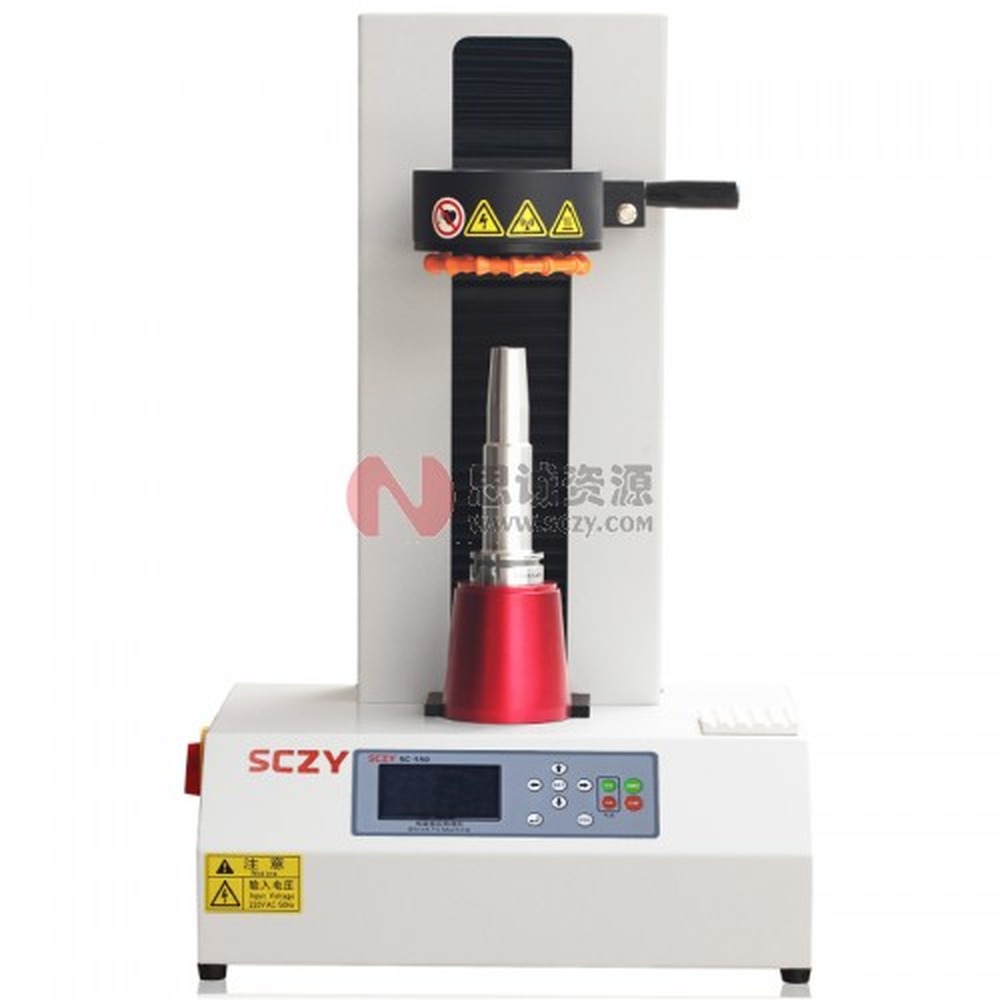
A shrink-fit holder is machined with a bore slightly smaller than the tool shank — typically 0.02–0.05 mm interference for a 6–12 mm tool. Heating the holder with an induction unit expands the bore; the tool drops in; cooling contracts the steel onto the shank with enormous radial force.
This is the stiffest and most concentric connection of the three. Runout of 3 µm or better is routine, balance is excellent because the holder is a single piece of steel with no nut or moving parts, and the grip is strong enough to run small cutters at high spindle speeds without pull-out. Deep-cavity finishing with 6 mm tools at 20,000 rpm is exactly the application shrink-fit was developed for.
The trade-offs are operational. One holder grips one diameter — no range at all. A heater is required, and hot holders are a burn risk that needs a documented procedure. Tool change takes 30–60 seconds rather than 10, and repeated heating cycles eventually relax the bore. Shanks must be h6 and perfectly clean, since any chip trapped in the bore becomes a permanent runout error.
Side-by-Side Comparison
| Specification | ER Collet Chuck | Hydraulic Chuck | Shrink-Fit Holder |
|---|---|---|---|
| Typical runout (TIR at nut face) | 10–20 µm (5 µm with UP collet) | 2–5 µm | ≤3 µm |
| Clamping range per holder | 1 mm increments, 2–20 mm typical | Narrow band, e.g. 6–7 mm | One diameter only |
| Radial rigidity | Moderate | High | Highest |
| Vibration damping | Low | Very good (oil film) | Low but very stiff |
| Tool change time | 20–30 s with torque wrench | 10–15 s, one hand | 30–60 s plus heater |
| Shank tolerance required | h7–h8 acceptable | h6, ground | h6, ground, clean |
| Balance at 20,000 rpm | G2.5 achievable with balanced nut | G2.5 standard | G2.5 or better, single piece |
| Best suited to | General milling, drilling, tapping, mixed batches | Finishing, small tools, chatter-prone setups | High-speed finishing, deep cavities, unattended runs |
| Relative holder cost | Low | Medium to high | Medium, plus heater cost |
| Consumable cost | Collets wear, replace in sets | Minimal | None, but bore relaxes over years |
Matching the Holder to the Operation
Roughing With Small Cutters
Here, torque transmission and pull-out resistance beat concentricity. ER collet chucks with correct torque handle this well, and they are cheap enough to keep a rack of them loaded. If the operation involves interrupted cuts or helical ramp-downs at high feed, step up to a shrink-fit holder or a dedicated milling chuck — the extra grip is what keeps a 10 mm roughing cutter from creeping in the holder over a long cycle.
Finishing and Semi-Finishing
This is where hydraulic chucks pay for themselves. The combination of 2–5 µm runout and oil-film damping produces visibly better wall finish and extends tool life on small ball-nose cutters. For mold shops running 3R and 6 mm ball cutters on hardened steel, a hydraulic chuck is usually the single biggest quality improvement per dollar.
Deep Cavities and Long Overhang
As overhang grows, deflection grows with the cube of length. Shrink-fit holders win here because the holder body can be machined slim — a 6 mm tool in a holder with a 10 mm nose diameter reaching 80 mm deep is a normal shrink-fit configuration and an awkward one for any collet nut. The absence of a nut is also an access advantage in tight pockets.
High-Speed and Five-Axis Work
Above 15,000 rpm, balance and single-piece construction matter more than clamping versatility. Shrink-fit holders and balanced hydraulic chucks are the practical choices; ER chucks can run at speed only if the nut is a balanced design and the collet is seated correctly. Losing a nut at 20,000 rpm is not a maintenance event, it is a safety incident.
What Buyers Get Wrong
Measuring Runout in the Wrong Place
Runout should be checked on a gauge pin or a known-good test bar, measured as close to the nut face as practical and again at three times the diameter out. A holder that reads 5 µm at the face and 20 µm at 3×D has a taper alignment problem, not a collet problem. Ask suppliers which measurement their figure refers to — many quote the best-case number only.
Ignoring the Taper Tolerance
The holder’s internal taper is ground to AT3 or AT2 tolerance in good tooling. A cheap holder with a poorly ground taper will never deliver good runout no matter which collet you put in it. On a purchase order, specify the taper tolerance and the runout grade together; one without the other is meaningless.
Mixing Worn Collets With New Holders
Collets are consumables. A collet that has been overtightened, run hot, or contaminated with chips will not seat concentrically, and no holder can compensate. Shops that track collet age and replace them in sets see measurably better consistency than shops that run them until a tool slips.
What to Put in the Purchase Order
Whether you buy from a local distributor or source directly, these five lines remove most of the ambiguity:
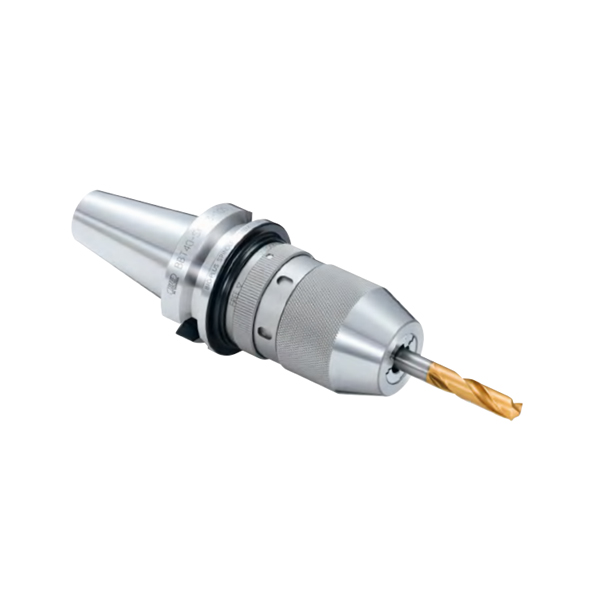
- Interface and size — BT40, HSK-A63, CAT40, with the exact clamping diameter or collet series.
- Runout grade — state the measurement method, e.g. “≤5 µm TIR measured at nut face on a 20 mm test bar.”
- Taper tolerance — AT3 minimum for production work.
- Balance grade — G2.5 at the maximum spindle speed you intend to run, not at a nominal 10,000 rpm.
- Material and hardness — case-hardened alloy steel with a defined hardness range for the taper and the shank bore.
For hydraulic chucks, add the clamping diameter band and confirm the actuation screw torque is set at the factory. For shrink-fit, confirm the bore interference value and whether the holder is compatible with your heater’s coil range — a holder that does not fit your induction unit is an expensive paperweight.
Shop-Floor Care That Actually Extends Life
Cleanliness does more for holder accuracy than any other habit. Wipe the taper and the collet bore with a lint-free cloth before every tool change; a single chip under a collet shifts the tool by several microns. Store holders in a rack, not loose in a drawer where the taper can pick up dents. Never use a holder as a drift or a hammer. And check nut torque periodically with a torque wrench rather than by feel — the difference between 100 N·m and 136 N·m is invisible to the hand but not to the collet.
For shrink-fit holders, log heating cycles. A holder that has been through several hundred cycles should be checked for bore relaxation, and the induction unit’s coil and cooling should be serviced on schedule. Hydraulic chucks rarely need attention, but if the actuation screw feels spongy or the clamping force drops, the seal is failing and the chuck should be pulled from production rather than nursed along.
Building a Sensible Holder Inventory
Most shops do not need to standardise on one technology. A workable pattern for a general job shop running BT40 or HSK-A63 spindle is: ER collet chucks for drilling, tapping and general milling where the diameter range changes constantly; two or three hydraulic chucks in the sizes used most for finishing; and a small set of shrink-fit holders for the deep-cavity and high-speed work that justifies them. That mix costs less than converting everything to hydraulic, and it puts the accuracy where the tolerance actually is.
If you are specifying holders for a new machine or replacing a mixed, worn-out rack, we can help you map holders to your actual job list, check taper and runout specifications against the work, and quote a matched set rather than a list of part numbers.
Ready to sort out your tool holding? Send us your spindle interface, tool sizes and typical operations and we will come back with a recommended holder configuration and a quotation.



