
Shrink-fit tool holders have quietly become the default answer wherever shops need long overhang milling, high spindle speeds and genuinely sealed coolant delivery. But the holder is only half of the system. The machine that heats the holder — and does it repeatably, hundreds of times a week — is where most buying decisions actually go wrong. This guide walks through how an induction shrink fit machine works, what the power rating really tells you, how to match coils and heating temperature to your tooling, and which machine tier makes sense for your daily tooling volume.
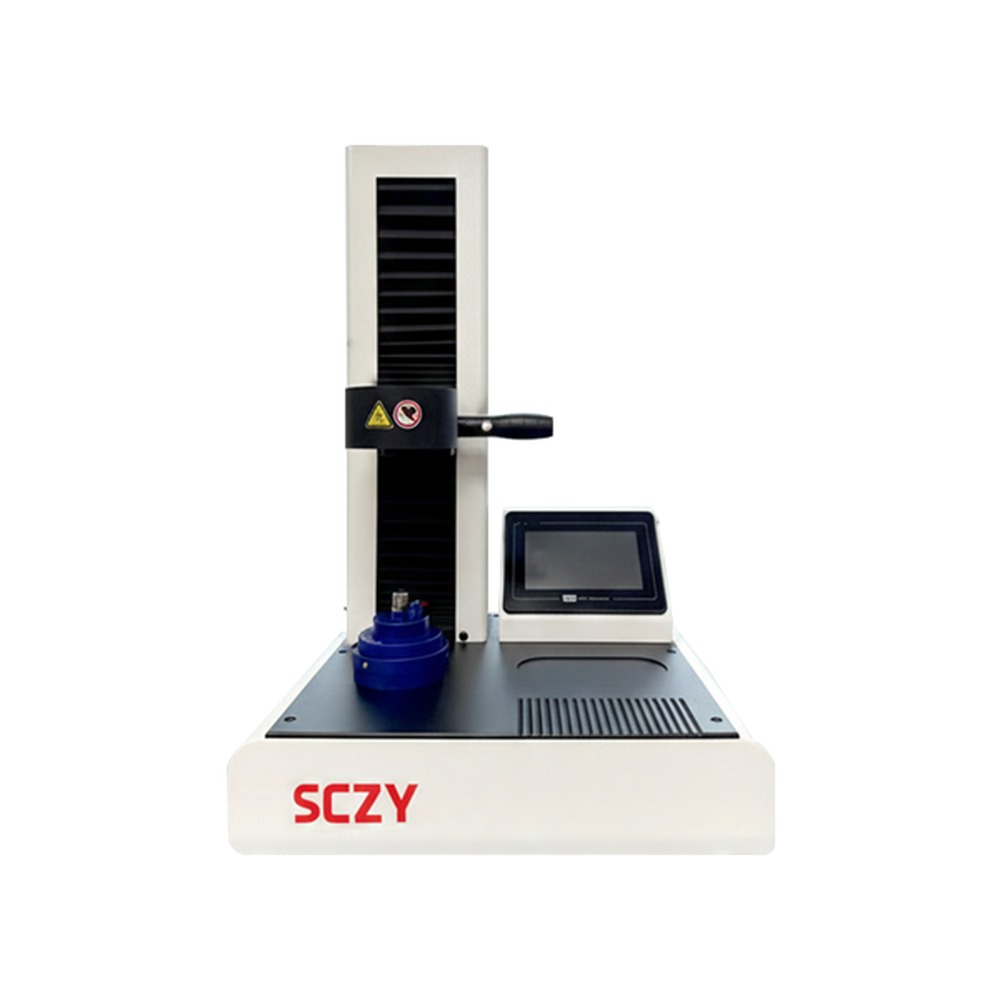
What an Induction Shrink-Fit Machine Actually Does
The interference fit, briefly
A shrink-fit holder grips the tool with pure friction. The bore at the nose of the holder is machined slightly smaller than the tool shank — this difference is the shrink fit holder interference fit. Heating the nose with an induction coil expands the bore by a few hundredths of a millimetre, the operator drops the tool in, and as the steel cools within about a minute it clamps the shank with uniform radial pressure. No set screws, no collet segments, no nuts.
Because the bore is a smooth, uninterrupted cylinder, the holder balances beautifully, seals coolant without leakage paths, and keeps runout low even at 20,000 rpm and beyond. The price you pay is that every tool change needs heat — which is exactly why the machine matters as much as the holder.
Why induction beats hot air
Some shops still try to do this with a hot-air gun. It works on paper, but hot air is slow, heats unevenly, and pushes heat into the whole holder body rather than the nose alone. Induction concentrates energy exactly where the bore is, heats in seconds instead of minutes, and — on machines with real temperature control — stops at a set point instead of “when it looks right”. That difference is what protects holder coatings, taper geometry and your patience.
When Shrink-Fit Beats Collet Chucks and Hydraulic Holders
Where shrink fit wins
Shrink-fit earns its keep in four situations: long-reach finishing where a slim nose lets you get deep into a cavity; high-speed roughing and finishing where balance grade matters; coolant-through applications where a sealed shank stops high-pressure coolant from spraying back out of the nose; and heavy cutting of titanium or hardened steel where tool pull-out is the failure you fear most. In a collet chuck, pull-out is managed with flats or safety screws; in a shrink-fit holder, the friction grows with cutting forces, so the harder you cut, the tighter it holds.
Where it does not
Be honest about the limits. If you change tools constantly on one machine, shrink-fit adds a heating-and-cooling rhythm that a torque wrench does not. Very small shops running three tools per job may be happier with hydraulic or collet chucks. And tools with unusual shanks — low-profile nuts, PCD and CBN heads, anything brazed — do not belong in a heat-expanded bore at all. PCD and CBN tools should never go through a shrink cycle: the bonding layers and the diamond or CBN segments themselves will not forgive the temperature.
Power Rating: What the kW Number Really Tells You
Machine brochures lead with power, usually somewhere between 3.5 kW and 15 kW. Higher power shortens heating time, but it does not automatically make a better machine. What actually determines your cycle time is the pairing of power and coil: a well-matched 5 kW unit with a coil sized to your shank will beat a 10 kW unit forcing you to share an oversized coil. When comparing machines, ask how long a BT40 holder with a 12 mm carbide shank takes from cold to insertion-ready — a figure you can verify on a demo unit. Anything in the 10-to-25-second range is healthy for daily production use.
Also look at duty cycle and cooling rather than raw power. Induction electronics dump heat, and a machine that needs a long cooldown between cycles will quietly become the bottleneck of your tool crib. Water-cooled coils and a closed-loop chiller are what let a compact machine run all shift; if your shop changes dozens of tools per day, treat cooling as a primary spec, not an accessory.
Coil Selection and Handling
Match the coil to the shank, not the holder
The induction field couples to the steel nose of the holder, and coil geometry decides how evenly that happens. A single coil sized close to the shank diameter heats fast and efficiently; a much larger coil wastes energy heating the whole nose block. Multi-coil stations — several coils stacked around one insertion point — let you handle mixed shank diameters without swapping coils mid-job, which matters more than raw speed in shops running many tool sizes.
When you order a machine, count the coil set against your actual tool list: every shank diameter you run should have a matching coil or a home in a multi-coil station. If you run BT, BBT and HSK tapers, check that taper adapters or a universal insertion fixture are part of the quote, not a surprise later.
Coil care is uptime
Coils are consumables, not forever-parts. Worn insulators, deformed rings and copper scaling from missed cooling water all show up first as inconsistent heating times. Keep the coil seat clean, verify water flow daily, and treat a suddenly longer heat cycle as a maintenance signal — usually the coil or the cooling loop, rarely the electronics.
Heating Temperature: The Setting That Decides Tool Life
The most common way shops damage good holders is overheating the nose. The goal is not “as hot as possible”; it is the minimum temperature that opens the bore enough for a clean drop-in. For carbide shanks, typical practice sits between roughly 300 °C and 400 °C at the nose. HSS shanks need more restraint — stay under about 300 °C, because prolonged heat starts to soften high-speed steel. And as noted above, PCD and CBN tooling stays out of the shrink cycle entirely.
This is where “intelligent” machines earn their name: presets per tool and shank, a pyrometer or timing control that stops the cycle at temperature, and an audible end-of-cycle signal. If you are comparing machines, ask what happens when the operator walks away — a machine that keeps dumping energy into an empty coil is a holder-killer.
| Tool / shank type | Typical nose temperature | Notes |
|---|---|---|
| Solid carbide shanks | 300–400 °C | The normal case; fast cycles, no metallurgical risk to the shank |
| HSS / HSS-Co shanks | Below ~300 °C | Excess heat softens HSS; use the lowest setting that gives a clean drop-in |
| Coated holders (TiAlN etc.) | Per preset, watch dwell | Repeated overheating dulls the coating and invites corrosion at the bore |
| PCD / CBN tools | Not suitable | Brazed joints and superhard segments must not see shrink-fit temperatures |
Machine Tiers: Benchtop, Intelligent, Automatic
Most buyers are choosing between three tiers, and the right answer depends almost entirely on daily tooling volume and who operates the machine.
| Tier | Typical shop | Coil setup | Cooling | Watch out for |
|---|---|---|---|---|
| Entry benchtop, single coil | Job shops, tool changes under ~20/day | Single coil, manual swap by shank size | Air-cooled or simple water loop | Slow cycles on large shanks; verify duty cycle, not just power |
| Intelligent mid-range | Production shops, mixed BT/BBT/HSK fleets | Multi-coil station, presets per tool | Closed-loop water cooling | Confirm taper adapter coverage and preset software depth |
| Automatic (robot loading) | High-volume cribs, lights-out toolrooms | Fixed coil array, no operator handling | Chilled closed loop | Needs disciplined holder labeling and tool data management |
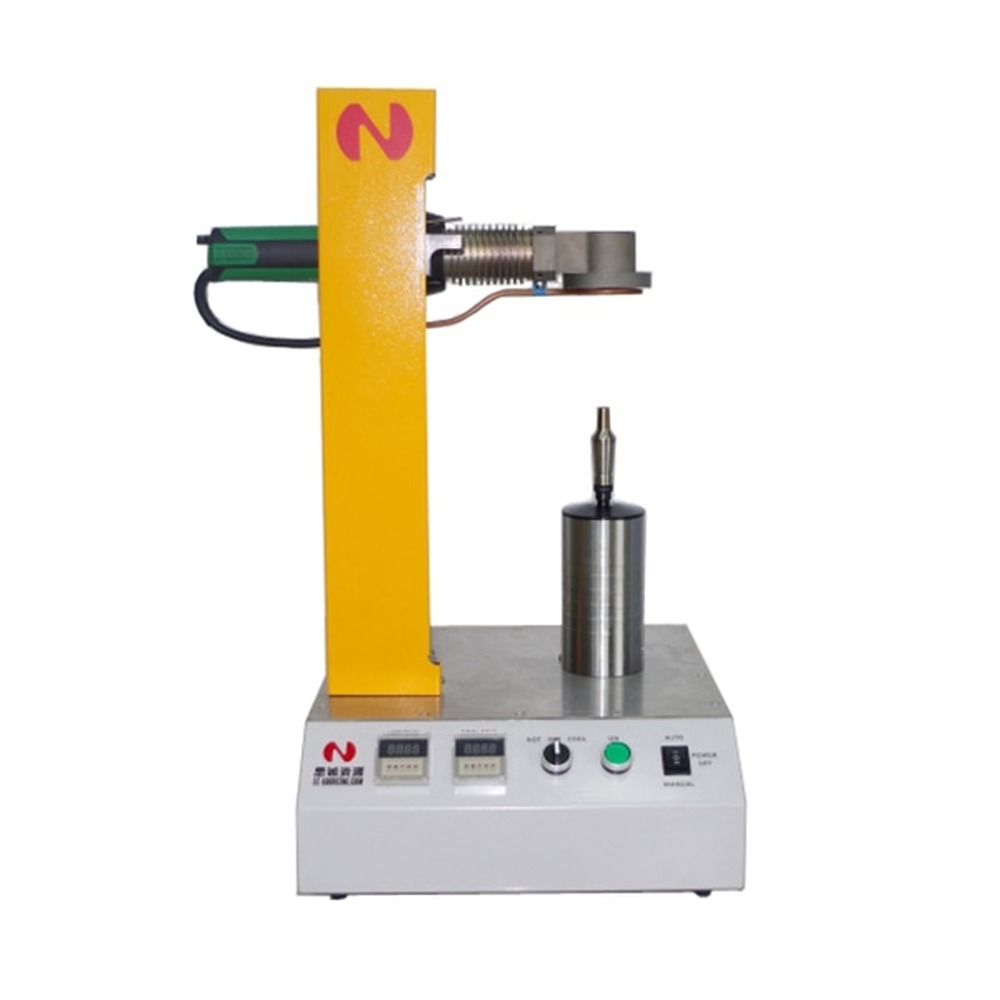
The middle tier is where most shops land. Entry machines are genuinely capable — they simply need an operator who swaps coils and watches cycles. Fully automatic units remove the operator but demand clean tool data and standardized holders; they pay off in high-mix tool cribs running pre-setters and robot stations.
Buying Checklist: Seven Questions Before You Order
- Shank range. What is the smallest and largest carbide shank you run today — and next year? Your coil set must cover it.
- Taper types. BT30, BT40, BT50, HSK? Every taper needs an adapter or a fixture; get it into the same quotation.
- Cycle time, verified. Ask for a demo with your typical holder and shank, from cold start to insertion.
- Temperature control. Presets and automatic cycle stop, or a dial and a stopwatch? The difference shows up in holder life.
- Cooling. Water-cooled coil and chiller for anything above light duty; check water quality requirements too.
- Removal. Heating a holder out is part of the job — confirm the machine or accessory set includes a safe extraction fixture.
- Service and spares. Coils, seals and insulators are wear items; a supplier that stocks them locally is worth more than two extra kW.
Setup and Care on the Shop Floor
Daily checks that prevent expensive surprises
Three habits keep a shrink-fit station healthy. First, verify cooling water flow before the first cycle of the shift. Second, keep the insertion area clean — a chip dropped into the bore before insertion is a guaranteed scrapped cycle, and a marred shank becomes a permanent runout error. Third, respect the cool-down: removing a tool means reheating the nose, and prying a cold tool out with leverage ruins both the bore and the shank.
Handling the holders themselves
Store shrink-fit holders with the bore protected — a simple edge-protection cap costs almost nothing compared with one regrind of a bore. Wipe shanks before insertion; oil films thin enough to see change friction, and friction is the whole clamping system. Most shops find that a dedicated holder rack next to the machine, sized for the full taper range, pays for itself in fewer dinged noses alone.
Putting It Together
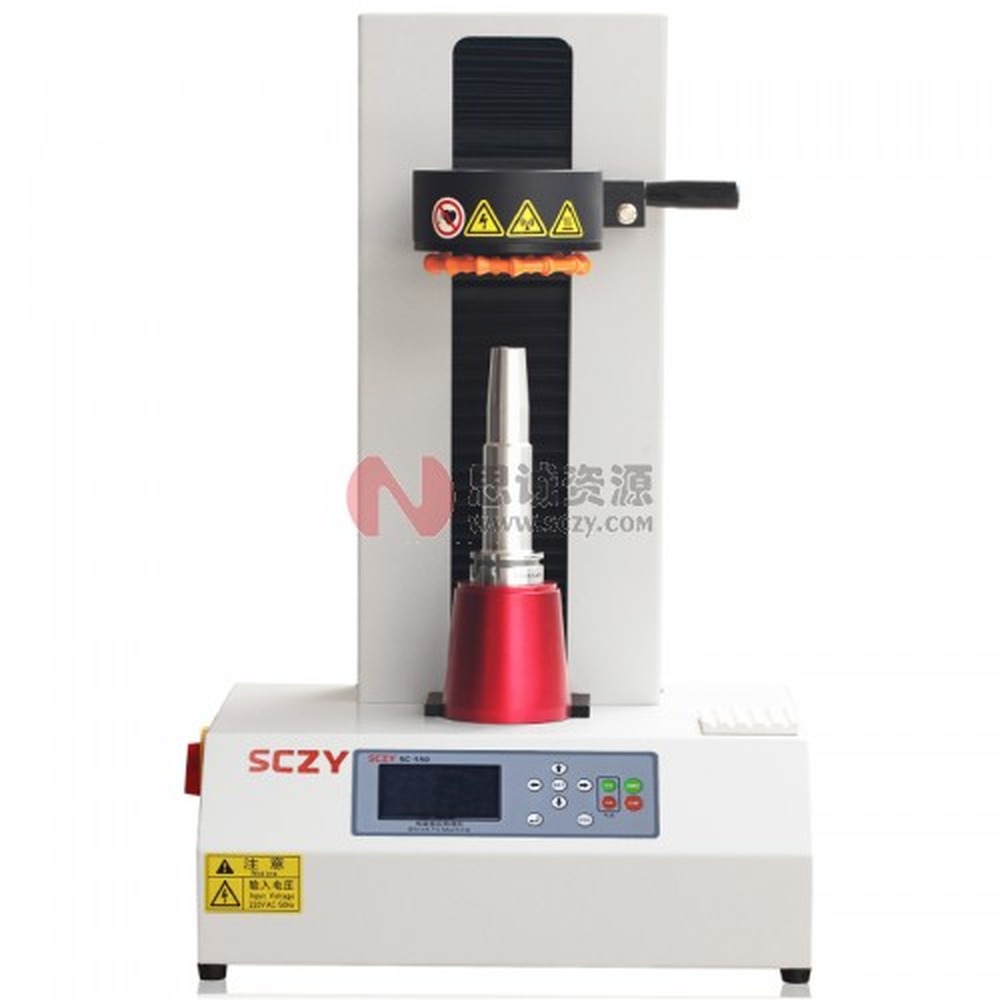
An induction shrink fit machine is not a commodity you buy once and forget. Match the power and coil set to your real tooling list, insist on proper temperature control, keep the cooling loop honest, and the system will run for years with nothing more than coil insulators and clean bores. Get any of those four wrong and you will spend the difference on re-cut bores and mystery runout problems.
If you are evaluating machines and holder fleets together — or you simply want a second opinion on which tier fits your shop — the SCZY team supplies shrink-fit heaters from compact benchtop units to fully automatic models, alongside the shrink-fit holders, collet chucks and hydraulic chucks that complete the system. Send us your tool list and we will spec the coil set and machine class against it, with a small trial order if you want to prove the system on your own machines first.



