
Vise Jaws for CNC Machining: Hard Jaws, Soft Jaws and Modular Jaw Systems Compared
Most shops spend weeks comparing vises and then thirty seconds bolting on whatever jaws are closest to the bench. That is backwards. The vise jaw is the only part of the workholding system that actually touches your part, so it decides surface finish, datum accuracy, cycle time and how many scraps you box up at the end of the week. Choose the wrong jaw style and even a premium vise will let you down; pair the right jaws with a mid-range vise and it will outperform setups costing three times as much.
This guide breaks down the three jaw families every CNC shop works with — hard jaws, machined soft jaws, and modular vise jaw systems — and shows where each one earns its place. We will also cover soft jaw material selection, the machining practices that make soft jaws hold on-spec, and what to check during weekly maintenance so your vise jaw plate surfaces stay accurate for years.
What a Vise Jaw Actually Controls
A machine vise is really just a clamp; the jaws are the precision interface. Three things live or die at the jaw line:
- Datum accuracy. Your program assumes the part sits where you indicated it. Jaw face parallelism, burrs and chips shift parts by hundredths of a millimeter — enough to scrap a tolerance-critical feature.
- Clamping force distribution. The same handle torque can clamp a rugged bracket safely and crush a thin-walled ring, depending on how the jaw contacts the part.
- Changeover time. Every minute spent machining jaws, indicating parts or chasing swarf out of serrations is a minute the spindle is not cutting.
The Quick Answer
Hard jaws for raw holding power and general parts. Machined soft jaws when you need to locate on finished surfaces or hold awkward shapes. Modular jaw systems when you change jobs constantly and cannot afford to re-machine jaws every shift. The rest of this article explains the trade-offs behind that summary.
Hard Jaws vs Soft Jaws vs Modular Jaw Systems
Before going deep on each family, here is how the three compare on the attributes that actually drive buying decisions:
| Attribute | Hard Jaws | Machined Soft Jaws | Modular Jaw Systems |
|---|---|---|---|
| Jaw material | Hardened steel, serrated or ground face | Aluminum, mild steel or soft blank bolted over a hard base | Hardened base plus interchangeable inserts and top jaws |
| Part location | On serrations — marks the part | On custom-machined profile — protects finished surfaces | On ground insert faces — repeatable to a few hundredths |
| Setup time per new job | Minutes | 30–90 min including jaw machining | Minutes — swap inserts, no re-machining |
| Best batch size | Any, especially robust parts | Production runs of 50+ pieces | High-mix shops, frequent changeovers |
| Thin-wall friendly | Poor | Excellent | Good with soft inserts |
| Wear behavior | Serrations fill with chips, faces ding | Consumable — re-machine or replace per job | Base lasts years, inserts are consumables |
| Typical cost | Low | Low per set, high labor content | Higher upfront, low per changeover |
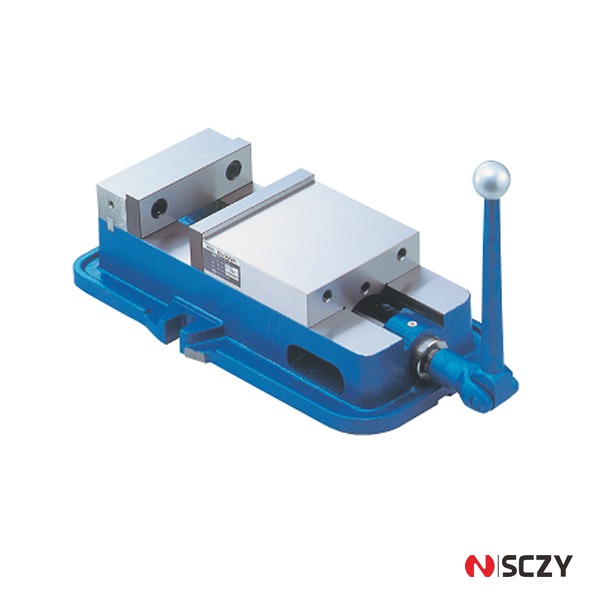
Soft Jaw Material Selection: Aluminum, Steel or Hybrid
Soft jaws are sacrificial blanks that you machine to cradle a specific part. The blank material matters more than most buyers expect, and soft jaw material selection usually comes down to three options.
6061-T6 Aluminum Soft Jaws
Aluminum is the default choice, and for good reason. It machines fast, will not mar polished or anodized part surfaces, and absorbs the slight part variation that hardened jaws punish. Use aluminum soft jaws for finished surfaces, thin-walled housings, and any part where clamp marks equal scrap. The trade-off: aluminum jaws wear quickly and have roughly one third the clamping stiffness of steel, so keep jaw contact areas generous and expect to re-cut profiles for each new production run.
1018 and Mild Steel Soft Jaws
Steel soft jaws buy stiffness when cutting forces push parts around. Deep-pocket parts, heavy roughing cuts on castings, and workpieces held on narrow contact bands all benefit from steel blanks. You give up some surface protection, so steel jaws make sense when the clamped faces are machined surfaces that will see finishing later, or when the part is tolerant of light witness marks.
Hybrid Jaws: Hard Base Plus Soft Insert
Many modern vises accept a hard jaw as the base with aluminum or steel soft inserts bolted on top. This gives you the location repeatability of a ground base jaw plus the part protection of a machined insert, and you only replace the small insert rather than the whole vise jaw plate. For shops running both roughing and finishing jobs through the same vises, hybrid setups are usually the most economical answer.
Machining Soft Jaws That Actually Hold
A machined soft jaw is only as good as the way it was cut. Three practices separate jaws that hold parts on-datum all shift long from jaws that cause a mid-run drift.
Machine Jaws Under Real Clamping Load
Always machine the jaw profile with the jaws clamped on a sacrificial puck or step block at the same torque you will use on real parts. Machining jaws unloaded leaves spring relief in the jaw plate; the first real part then clamps differently than the pocket you cut. Tighten to production torque, cut the profile, then release and re-tighten once to verify the pocket repeats.
Control the Witness Step and Contact Area
Leave a shallow witness step at the bottom of the pocket so the part seats against a defined shoulder instead of floating on a large face. Keep the contact band between roughly 4 and 8 millimeters deep for most parts: deep enough to locate, shallow enough that clamp force does not fight the part’s natural distortion. For round parts in soft jaws, a full 180-degree cradle is rarely necessary; a 90 to 120 degree contact arc holds most diameters with far less distortion.
Mark and Reuse Jaw Positions
Number each jaw and each vise position with an electro etch or stamp. When a job returns weeks later, matching jaw one to pocket one removes a re-indication cycle. Shops that treat soft jaws as documented tooling — stored with the job traveler, not thrown in a drawer — routinely cut changeover time in half.
Modular Vise Jaw Systems: When Repeatability Beats Raw Force
High-mix machining turns the economics upside down. If your average batch is twenty parts, spending an hour machining soft jaws per job is a losing proposition. Modular jaw systems attack that problem with hardened base jaws and standardized inserts.
Pull-Down and Self-Aligning Jaw Designs
Modular systems come in several mechanical flavors. Pull-down designs pull the insert down against the bed as they clamp, eliminating the jaw-lift that plagues conventional single-station vises on tall parts. Self-aligning inserts pivot a few degrees to conform to rough castings, so you can hold unmachined stock without a custom pocket. Both styles index off ground registration surfaces, which is what makes a swapped-in insert land back on datum without re-touching off.
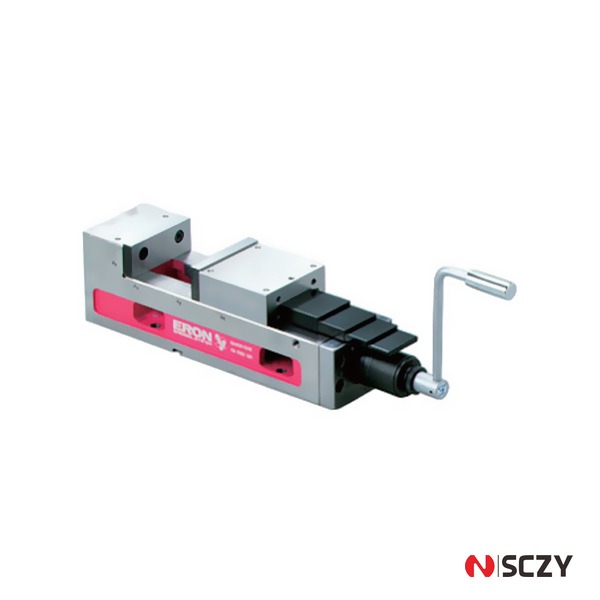
Quick-Change Vises for Short Runs
For dedicated production lines, quick-clamp vise bodies accept stepped hard jaws that swap in seconds with no re-indication. A common pattern on CNC milling machines is to fixture multiple quick-change vises on one pallet or sub-plate — three or four stations cutting while the operator loads the stations that just finished. Combined with a zero-point base plate, changeover between jobs becomes a bolt-off, bolt-on exercise measured in minutes.
Vise Jaw Plates for Thin-Walled Parts
Thin-walled parts deserve their own playbook because the failure mode is silent: the part passes inspection at the machine and measures out-of-round an hour later. A standard serrated vise jaw plate concentrates force on two serration lines and distorts the wall. The fixes, in order of effectiveness:
- Full-contact soft jaws machined to the part’s outer profile spread force over the maximum area, dropping wall stress dramatically at the same torque.
- Reduced clamping torque paired with a positive stop lets you hold the part for locating forces without crushing it — the stop takes the cutting reaction load so the jaws do not have to.
- Axial clamping alternatives such as magnetic chucks or vacuum plates remove side force entirely on parts with enough surface area; our earlier guides on magnetic chuck selection and pneumatic chuck layouts cover those routes in depth.
For a vise jaw plate on thin walls, also consider stepped jaws that clamp below the machined feature being cut, so deformation happens in stock that disappears with the roughing pass.
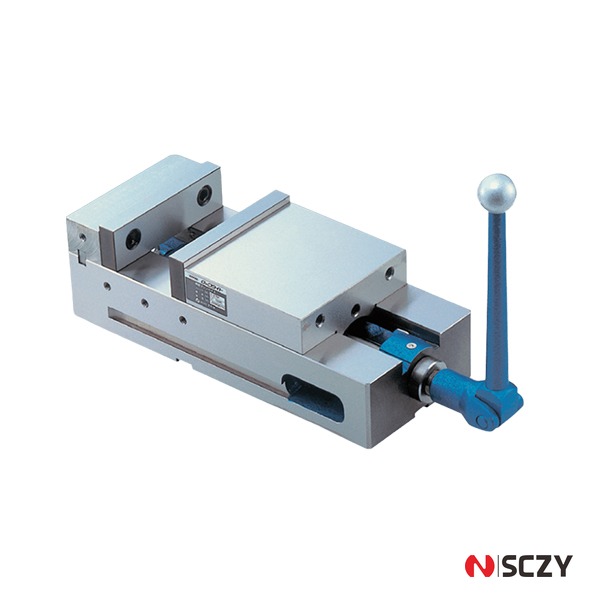
Maintenance Checklist for Vise Jaws
Jaw systems drift slowly, which is why problems show up as “that job used to hold tolerance.” Put these five checks on a weekly or biweekly schedule:
- Stone or deburr hard jaw faces and inspect serrations for embedded chips — packed serrations raise parts invisibly.
- Check jaw plate seating: remove jaws, clean the register face and bolt seats, and look for burrs where the jaw meets the vise bed.
- Verify bed parallelism with an indicator across the closed jaws at top and bottom; more than 0.01 mm variation means the vise bed or jaw seats need attention.
- Torque-check jaw bolts to specification — loose soft jaw bolts are the most common cause of scrapped first articles after a vise move.
- Wipe and oil ground surfaces at the end of coolant-heavy weeks; pitted jaw faces mark every part that follows.
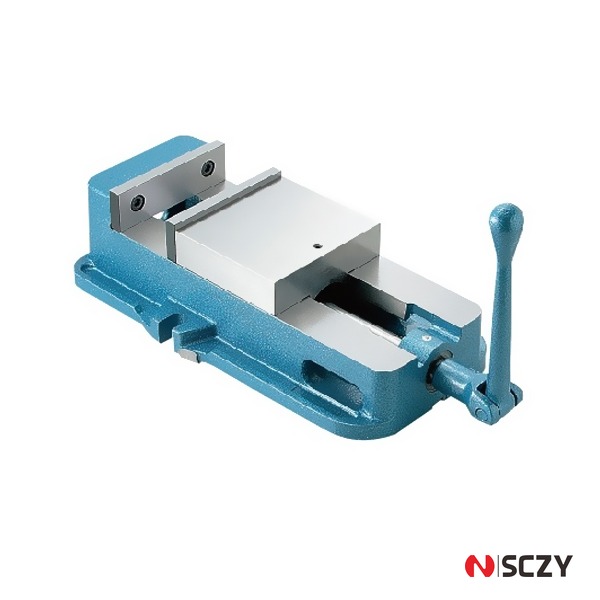
Choosing the Right Jaw Setup
The decision is simpler than the catalog makes it look. Run hard jaws when parts are rigid and surfaces are rough. Machine soft jaws when datums matter and batches justify the setup labor. Invest in a modular vise jaw system when changeover time, not clamping force, is what limits your spindle utilization. Most well-run shops end up with all three on the same machines — the skill is matching the jaw to the job instead of forcing every part into yesterday’s setup.
If you are building out workholding for a new machine or a new part family, the SCZY team supplies precision vises, jaw systems and matching CNC tooling sourced from vetted manufacturers, with QC on every shipment. Send us your part drawing and batch size, and we will recommend the jaw setup that fits the job — including the trade-offs we would walk through in our own shop.



