
Most shops know their tool life to the minute and their spindle hours to the decimal place. Very few can say when a holder taper was last checked for contact, or whether this morning’s collet nut was cleaned this week. That gap is expensive, because CNC tool holder maintenance is the cheapest accuracy work in the building: thirty seconds of wiping per shift sits directly between a clean taper seat and a runout problem that surfaces later as chatter, poor surface finish, or an insert failing at half its expected life.
What follows is the routine we recommend for BT30, BT40, BT50, CAT and HSK holders on production machines: what to clean, how often, with what, and how to store holders so Monday’s work is still intact on Friday.
Why a Two-Micron Film Costs More Than a Worn Insert
A steep-taper holder is a friction joint, not a clamp. The drawbar pulls the holder into the spindle, and the taper faces carry the load through surface contact. On a BT40 interface, healthy contact is normally specified at 80% or more of the taper face, checked with bluing. Everything about the joint — radial stiffness, axial repeatability, the ability to resist deflection under a side load — depends on that contact area being real.
Now put a film of dried coolant, fine chips or skin oil on the taper. Dried water-soluble coolant is typically a few microns thick and slightly tacky — the worst combination, because it lifts the holder off the seat and traps abrasive particles exactly where you cannot see them.
Two consequences follow. The holder sits axially short, so tool tip position shifts by microns to hundredths of a millimetre; if offsets are set once and trusted for weeks, that becomes unexplained Z variation across a batch. And radial stiffness drops — a holder touching on 60% of its taper deflects more under the same cutting force, which on a 10 mm end mill at 0.05 mm per tooth is often the difference between a stable cut and one that sings.
What Actually Ends Up on a Holder
Before choosing a cleaning method, it helps to know what you are removing. In practice the list is short and predictable:
- Dried water-soluble coolant. Leaves a tacky film that hardens into a varnish. The most common contaminant on production machines.
- Fine chips, cast iron and graphite dust. Embeds in collet slots, nut threads and the taper surface under clamping pressure.
- Rust and corrosion products. Forms in humid tool cribs and on holders put away wet after washing.
- Skin oil. Invisible, transferred from fingers to the taper during setup, and enough to affect contact on a precision interface.
- Fretting debris. Dark oxide powder around the taper and flange — a symptom of micro-movement, not just dirt.
- Grease migration. O-ring and thread lubricant from coolant-through pull studs creeping onto the flange face.
The Per-Shift Routine: Three Minutes, Three Steps
Step 1 — Wipe the taper, not the flange
Use a clean, lint-free cloth slightly damp with a compatible solvent or dedicated cleaner, and wipe the taper from the small end outward. Work in one direction so debris comes off the surface instead of being polished in, then wipe dry with a second cloth. Do not use the rag you use for machine ways; way oil and swarf on a taper is worse than nothing.
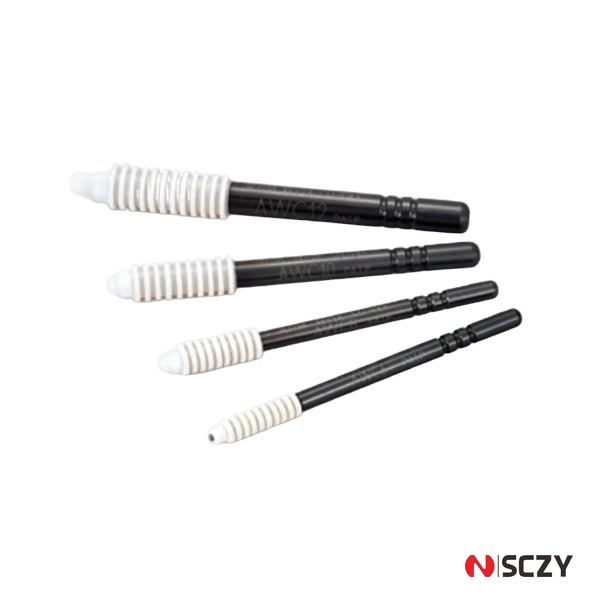
For the deep section of a taper and the inside of a collet bore, a cleaning stick with a compliant tip beats a cloth wrapped around a finger, because it reaches the small end where dried coolant collects. The set below covers common taper and collet sizes in one kit and ships with our holder packages.
Step 2 — Clean the spindle bore as often as the holder
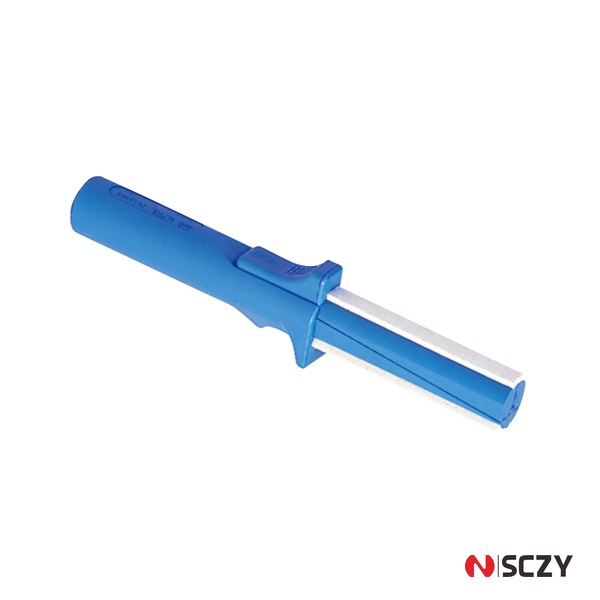
This is the step that gets skipped. A holder goes back into a spindle bore that has been collecting the same film all week, and a clean taper is contaminated on contact. Wipe the spindle taper with the same discipline, using a tapered wiper or a brush made for the bore, and blow it out with dry air before loading. On machines running cast iron or graphite, add a bore wipe at every tool change for the first hour of the shift.
Step 3 — Look before you load
Ten seconds of visual inspection catches most developing problems: a bright ring at the small end of the taper means bell-mouthing, dark fretting marks near the flange mean movement, and a scored collet bore means a chip has been circulating. If you see any of these, move the holder out of finishing work and into the inspection queue. Our guide on tool holder taper wear and contact checks covers the bluing test and wear limits in detail.
Weekly Service: Collets, Nuts and Pull Studs
Collets and nuts
Remove the nut, take the collet out, and clean both with solvent and a nylon brush — not a wire brush, which rounds the slot edges. Dry fully before assembly. On bearing nuts, confirm the bearing turns freely and apply only the grease the nut maker specifies; over-packing attracts chips and upsets the torque relationship. Keep threads clean and dry unless the manufacturer calls for lubricant, because torque values assume a defined friction condition. How nut torque becomes clamping force is covered in our ER collet runout guide.
Keep nut, collet and holder together as a matched set. Pairing a worn nut with a new collet causes runout that no amount of cleaning will fix, and matched sets preserve the balance condition you paid for — see tool holder balancing grades explained.
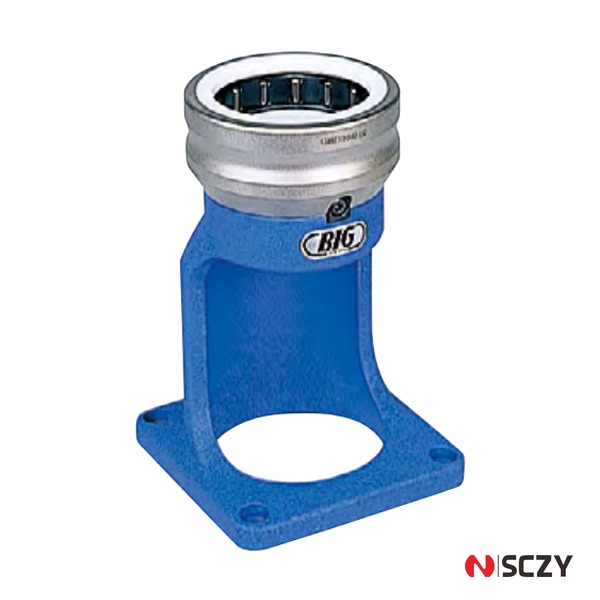
Pull studs and coolant-through hardware
Check the stud thread for galling and the knob surface for the polished wear band that indicates drawbar contact. Verify torque with a wrench rather than by feel, and replace any stud showing stretched or flattened threads. On coolant-through studs, inspect the O-ring and clear the internal passage — a partly blocked stud causes intermittent coolant starvation that reads like a pump fault. Torque values by interface are in our pull stud torque reference.
A Maintenance Schedule You Can Post on the Wall
| Interval | Task | Acceptance criterion |
|---|---|---|
| Every shift | Wipe holder taper and spindle bore, blow dry with air | No visible film, no chips, dry to the touch |
| Every shift | Visual check of taper and collet bore | No scoring, no fretting marks, no bright ring at the small end |
| Weekly | Strip and clean collet, nut and threads | Clean threads, free-turning bearing, no embedded chips |
| Weekly | Pull stud torque and O-ring check | Within the stud maker’s torque range, no galling |
| Monthly | Blue-check taper contact on finishing holders | 80% contact or better, evenly distributed |
| Monthly | Runout check at 3× diameter | Within the tolerance the job requires, trend recorded |
| Quarterly | Tool crib audit: rust, storage, caps, rack condition | No rusty holders in service, all tapers protected |
Cleaning Methods Compared
| Method | Removes well | Main risk | Best used for |
|---|---|---|---|
| Dry lint-free wipe | Loose chips, light dust | Pushes film around instead of removing it | Between-tool quick wipe |
| Solvent-damp wipe, then dry | Coolant varnish, skin oil | Solvent residue if not dried; cloth lint | Start of shift, after washing |
| Lint-free wipe plus dry air | Loose debris in bores and slots | Wet air lines re-introduce oil and water | Spindle bore, collet slots |
| Purpose-made cleaning stick | Dried film at the small end of a taper | Tip wear if reused beyond its life | Deep taper and collet bore cleaning |
| Ultrasonic bath, where available | Thread roots, slot corners | Trapped moisture and rust if not dried | Periodic deep clean of collets and nuts |
Storage: The Half of the Job Nobody Schedules
A holder that leaves the machine clean and goes back into a wooden drawer in a humid corner will be rusty within a week. Storage is where most maintenance programmes quietly fail. Three rules matter: keep holders off their tapers (a rack holds them by the flange or body, never resting the taper on a shelf), cap the taper when the holder is idle, and control humidity — a sealed cabinet with desiccant or a VCI liner covers most shops, and a dehumidifier is the honest answer in coastal or monsoon climates.
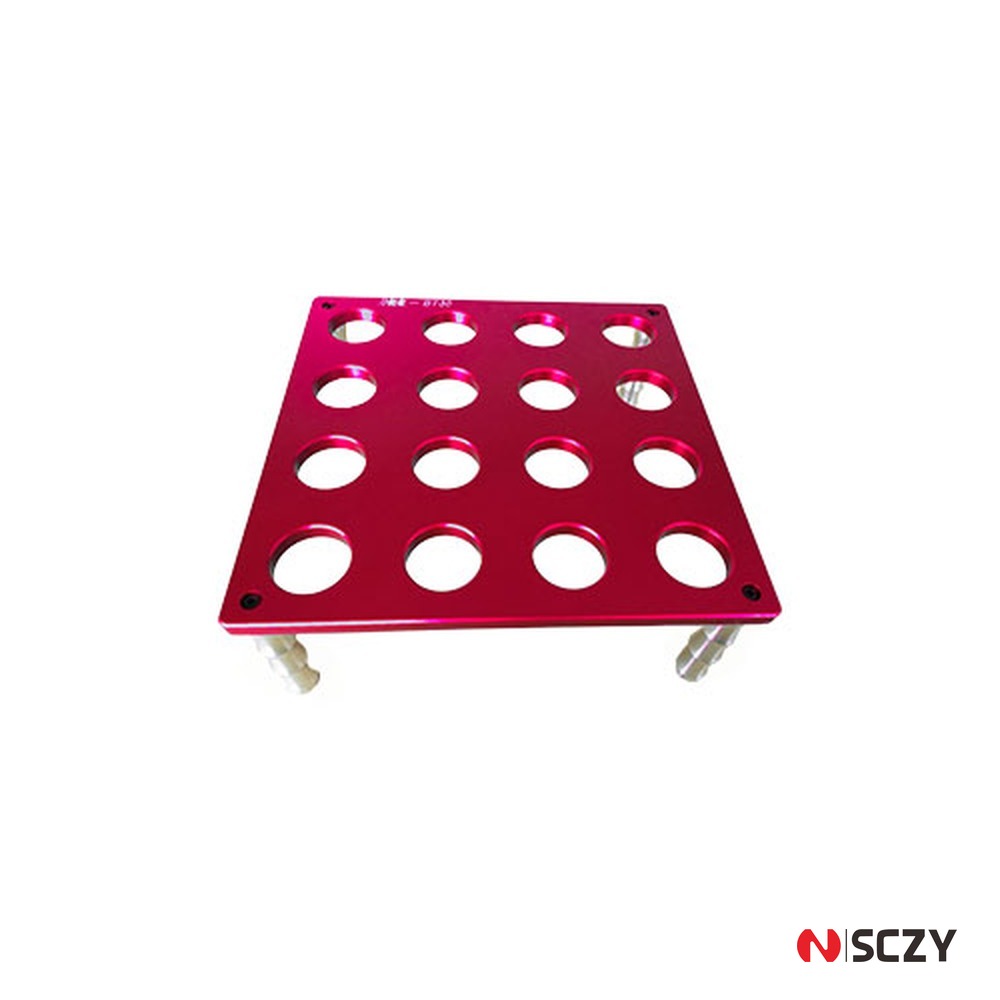
Never store a holder nose-down in a wooden block, never leave one in the spindle overnight on an idle machine, and never put a holder away wet. On a mixed fleet, rack by interface so the holder you need is not handled twice — every unnecessary touch is another fingerprint on a taper.
Coolant, Humidity and the Rust Loop
Water-soluble coolant is the main reason holders rust. Concentration that drifts below the supplier’s recommendation — commonly 5% to 8% for general machining — leaves less corrosion inhibitor on the surface and more free water in the film. Combine that with carbide tooling in a steel holder and a wet holder dropped into a cold drawer, and you get galvanic staining that shows up as pitting on the taper.
The countermeasures are unglamorous: check concentration weekly with a refractometer, drain holders after washing, dry with filtered rather than wet shop air, and keep the crib warmer than the shop floor where you can. Where rust is already present, do not polish it out with abrasive paper — you will remove metal unevenly and worsen the wear. Regrind or replace.
Eight Habits That Quietly Destroy Holders
- Oiling the taper. An oil film reduces contact and shifts tool length. Oil belongs on threads and bearing nuts.
- Using a cloth that sheds lint. Fibres burnish into the surface and hold coolant.
- Blowing chips toward the taper. Air should move debris away from the interface, never across it.
- Wire-brushing a collet bore. Rounds the slot edges and changes clamping behaviour.
- Mixing nuts between holders. Breaks both matched-set runout and balance.
- Tightening a nut with a shop-made bar. Inconsistent torque distorts nuts and crushes collets.
- Leaving holders in the machine over a shutdown. Condensation forms on the taper overnight.
- Skipping the record. A holder with no history cannot be condemned with confidence, so it stays in service long past its useful life.
When Maintenance Is No Longer Enough
Cleaning protects a healthy interface; it cannot repair a worn one. Condemn a holder for finishing work when blue-check contact falls below roughly 70%, when the taper shows bell-mouthing, when scoring catches a fingernail, or when runout at 3× diameter exceeds the job requirement and does not improve after cleaning and re-clamping. The decision is then regrind or replace, and the economics usually favour replacement after the second regrind — geometry moves each time and the pull stud interface works harder.
To judge which side of that line a holder sits on, use a fresh collet and a known-good test bar: measure runout at 3× diameter, clean, and measure again. A material change means the problem was contamination. No change means the holder is worn. Our BT40 holder type guide is a useful reference when it is time to replace.
The Tool Crib Checklist
Print this and put it where holders are issued:
- Taper wiped clean and dry — checked by eye and by touch
- Spindle bore wiped and blown dry before loading
- Collet, nut and threads clean; bearing nut free-turning
- Pull stud torqued to spec, O-ring intact, coolant passage clear
- Holder returned to the rack by interface, taper capped
- Any holder with visible scoring or fretting tagged and removed from service
- Contact and runout checks logged monthly for finishing holders
Make It a Habit, Not a Project
None of this CNC tool holder maintenance work requires capital equipment: a cloth, a brush, a cleaning stick, a rack, and a rule that no holder goes into a spindle unexamined. Shops that adopt it see the return first as fewer unexplained dimensional drifts, then as longer insert life, and finally as fewer holders condemned per year.
If you are restocking holders, collets, nuts or storage, SCZY supplies BT, CAT, HSK and ER tooling built to the interface tolerances this routine protects, plus the cleaning and storage accessories that keep them there. Tell us your interfaces and volumes and we will build a package around them — contact our team here.



