Vise Jaws for CNC Machining: Hard Jaws, Soft Jaws and Modular Jaw Systems Compared
How to choose between hard jaws, machined soft jaws and modular vise jaw systems: materials, setup practices and maintenance explained for CNC shops.

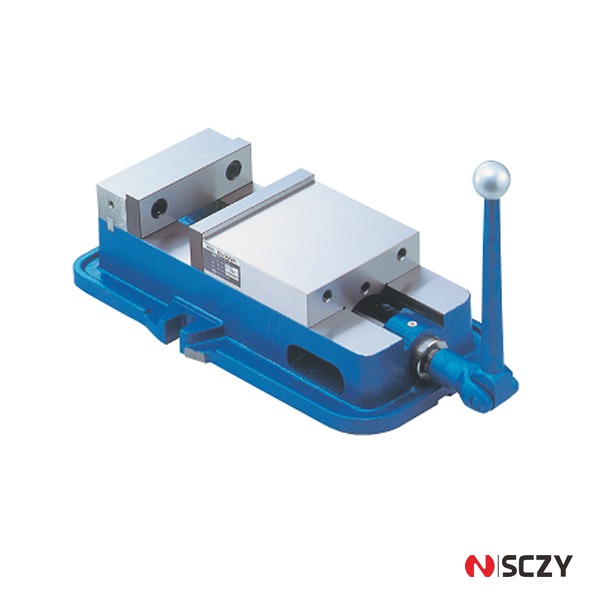
How to choose between hard jaws, machined soft jaws and modular vise jaw systems: materials, setup practices and maintenance explained for CNC shops.
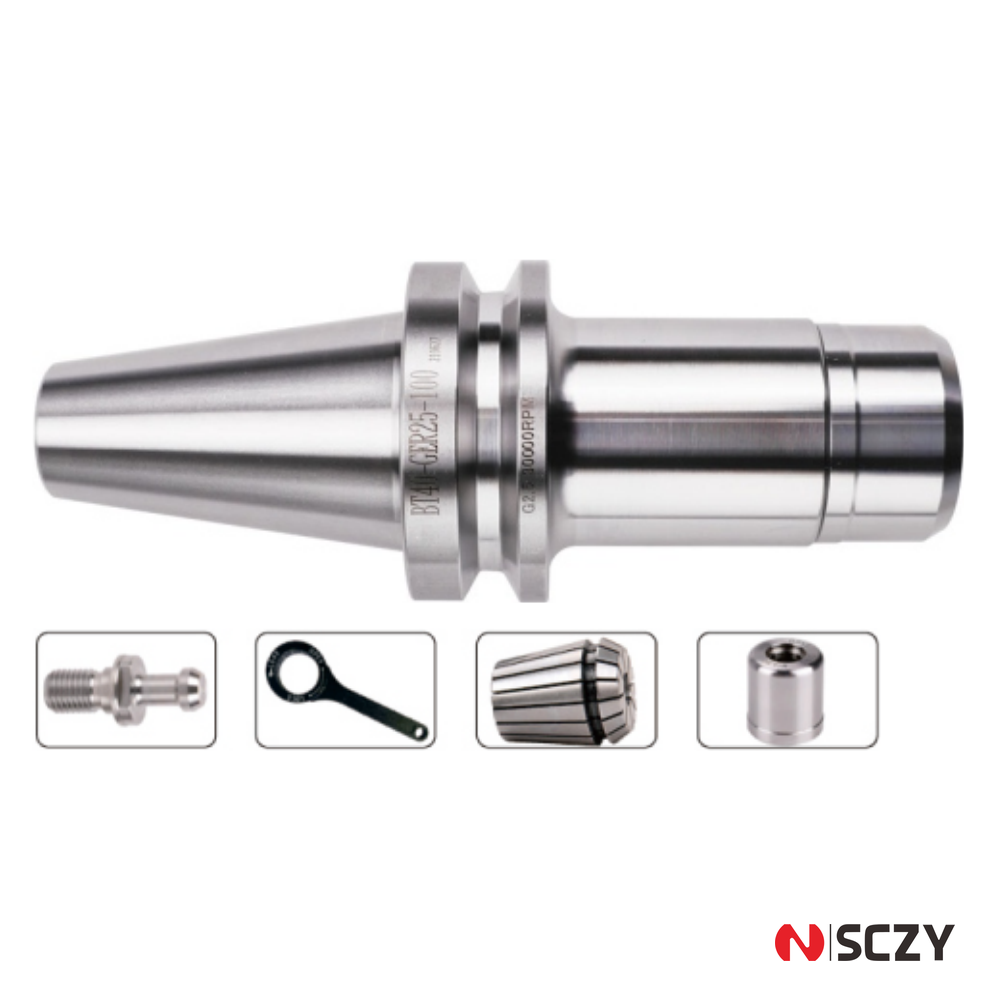
A practical buying map for BT40 tool holders: the six common types, typical runout figures, a comparison table, and when BT40 vs BT50 actually matters.
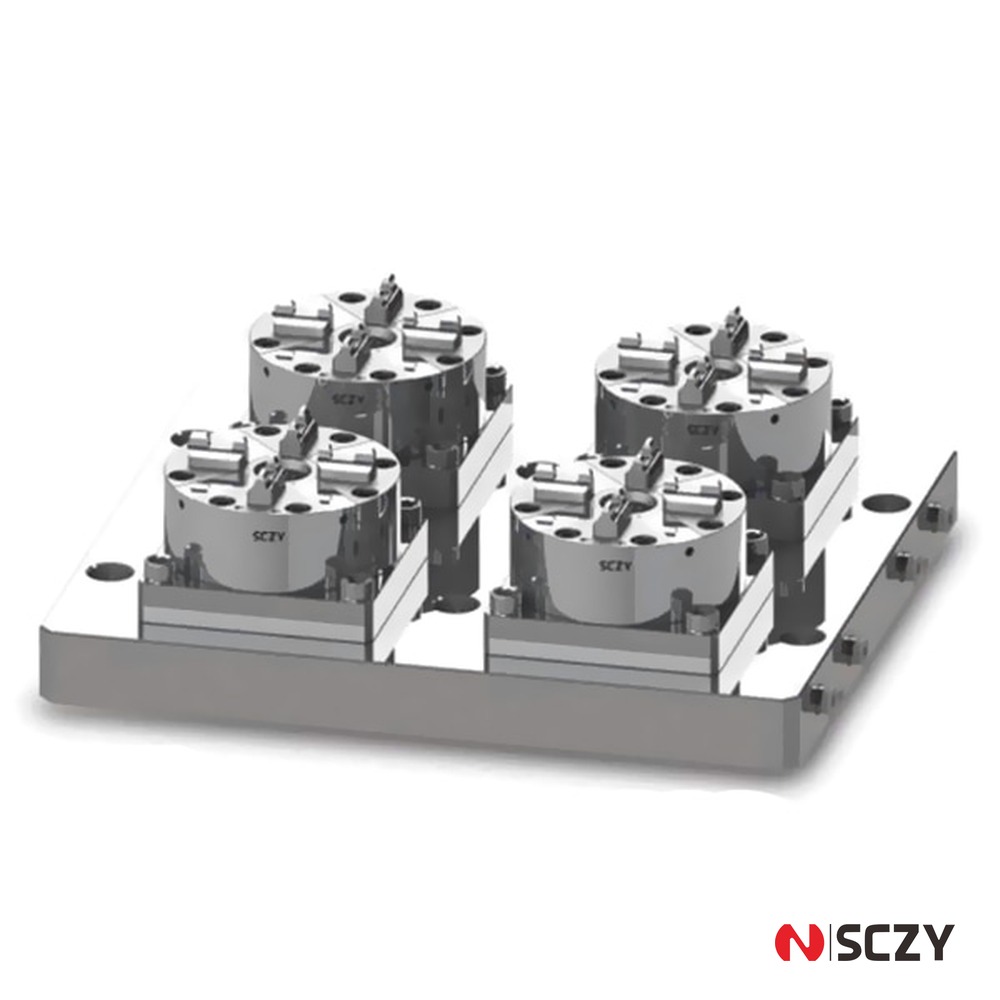
How pneumatic chucks for CNC machining work, what the specs really mean, and when a 4-station layout beats a single chuck.
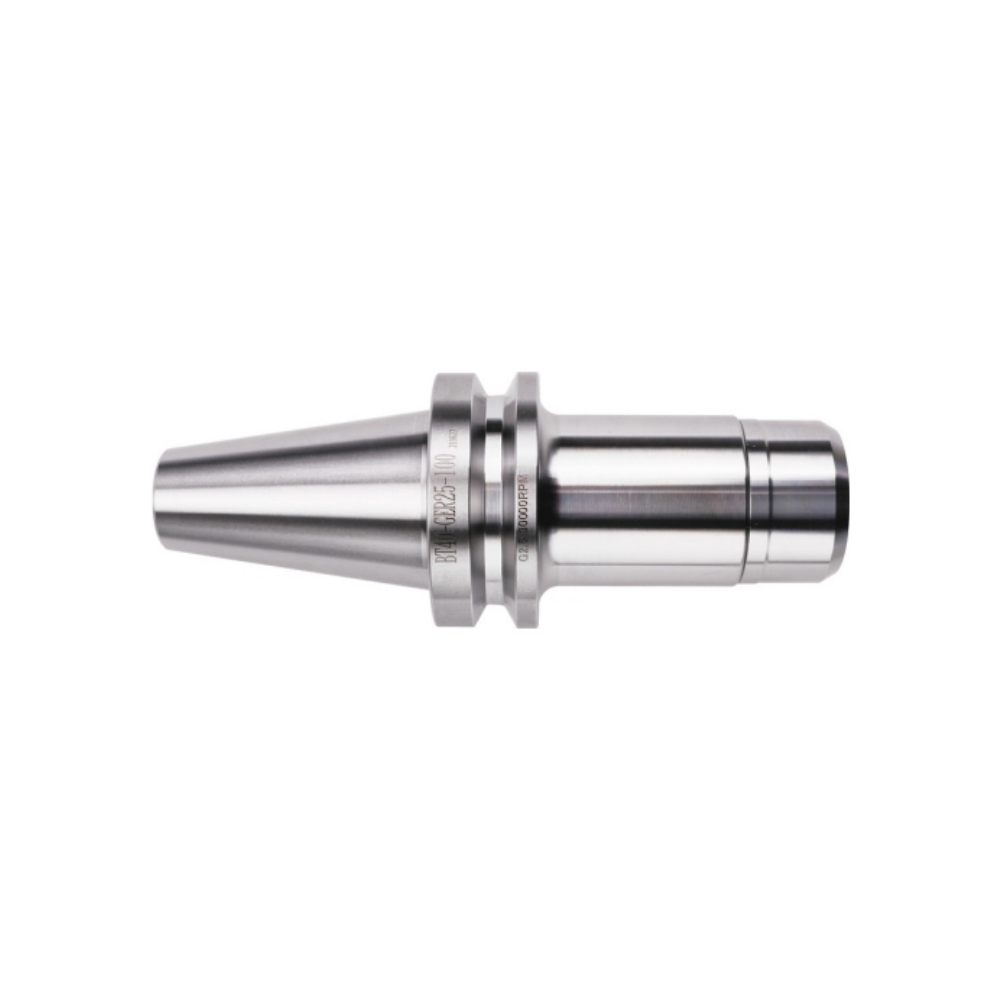
Taper wear is the hidden cause of chatter, Z drift and rising runout. Learn the three wear patterns and how to run a blue contact check in ten minutes.
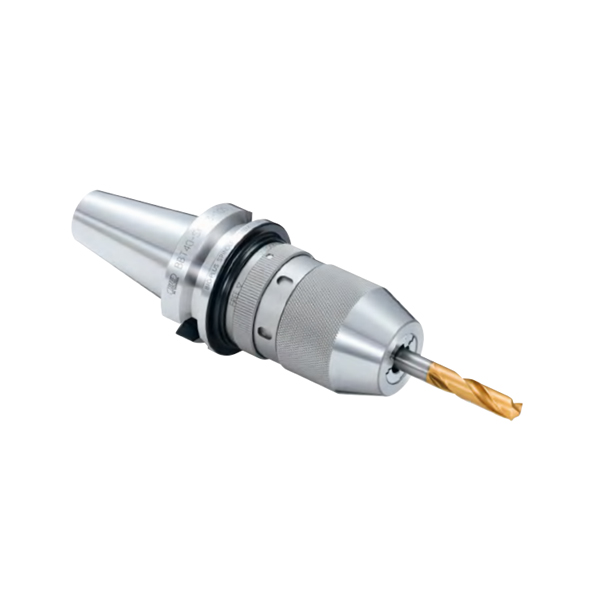
How ER collet runout is actually measured, where it accumulates inside a holder, and how collet accuracy grades translate into real tool life.

How to choose an induction shrink fit machine: power ratings, coil selection, heating temperature and the machine tier for your daily tooling volume.
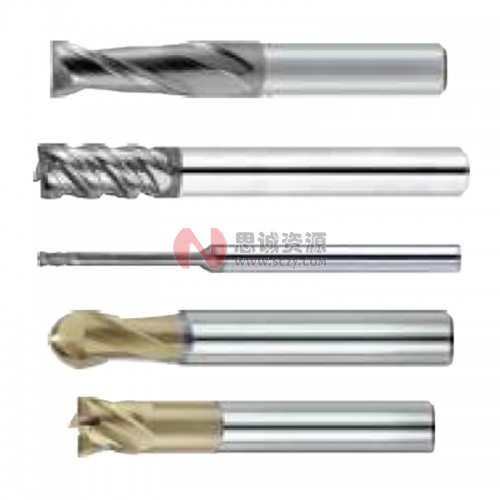
A practical guide to choosing carbide end mills for aluminum: flute count, helix angle, coating selection and holder runout, with starting speeds and feeds for 6061.
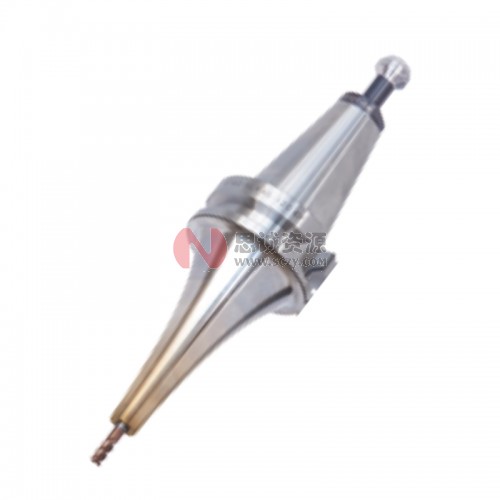
A practical guide to tool holder balancing: convert G2.5 and G6.3 grades into grams-millimeters, find the real sources of unbalance, and pick the right grade for your spindle speed.
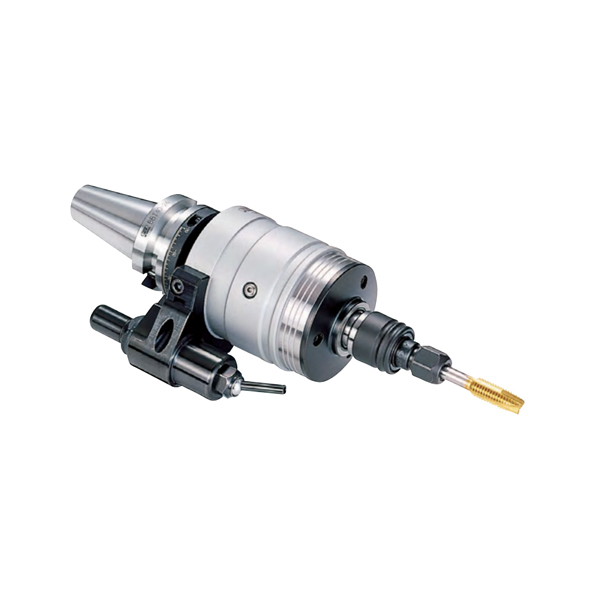
How floating, rigid and synchronous tap holders differ, when each one pays off, and what to specify before you order a tap holder for BT30, BT40 or HSK spindles.
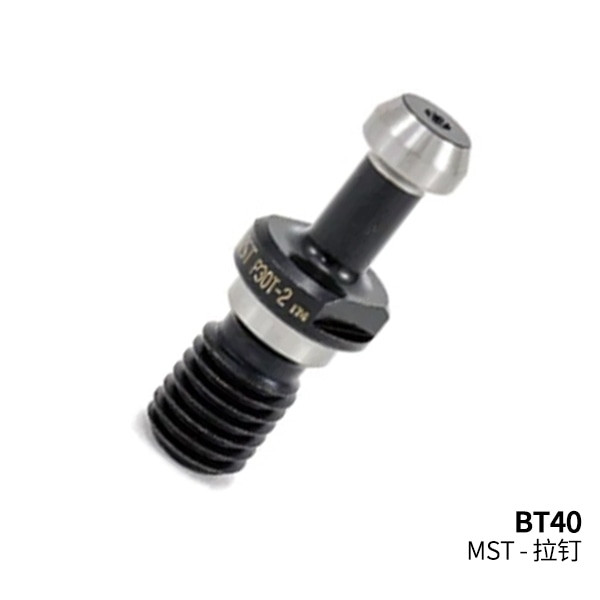
A practical guide to CNC pull studs: BT40 vs CAT40 vs BT30 threads, what torque actually controls, dual-contact length tolerances, and where coolant-through retention knobs leak.