BBT40 Dual Contact Tool Holders: What Flange Contact Actually Buys You
What dual contact actually changes on a BT40 spindle, the four interface conditions a BBT40 conversion depends on, and when an HSK-A63 makes more sense.

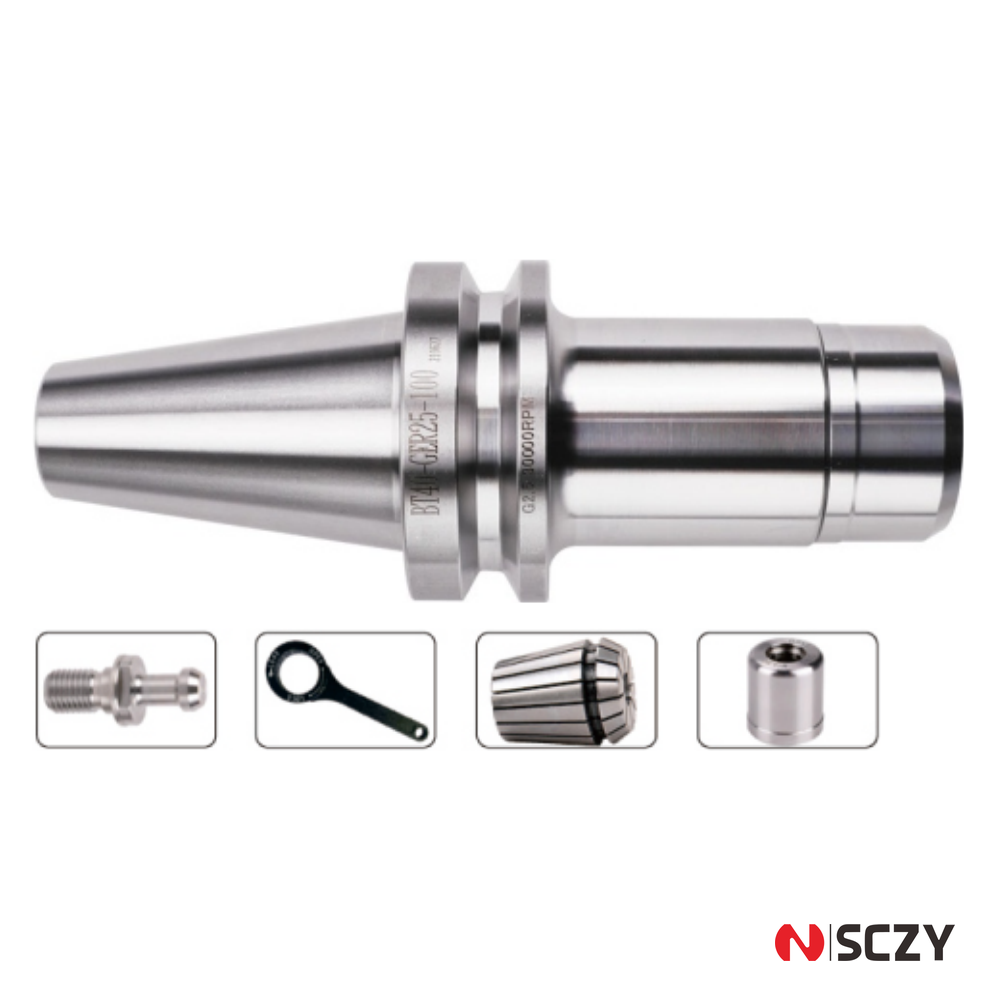
What dual contact actually changes on a BT40 spindle, the four interface conditions a BBT40 conversion depends on, and when an HSK-A63 makes more sense.
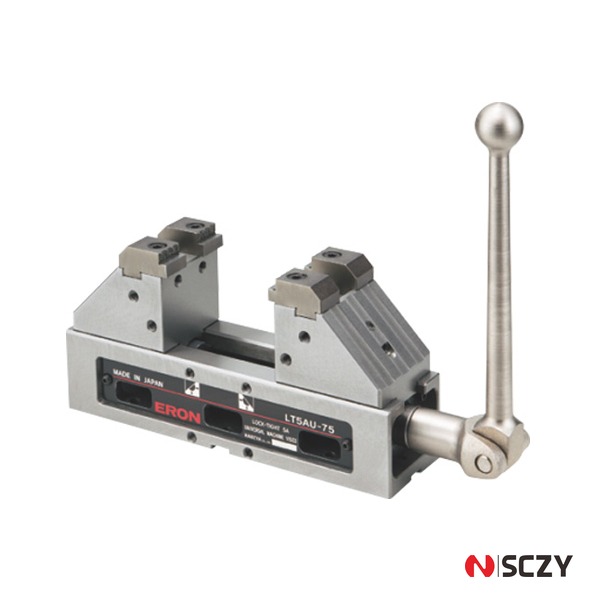
How to choose a 5-axis vise: low-profile bodies, pull-down clamping, jaw options for five-sided machining and when zero-point pallets pay off.
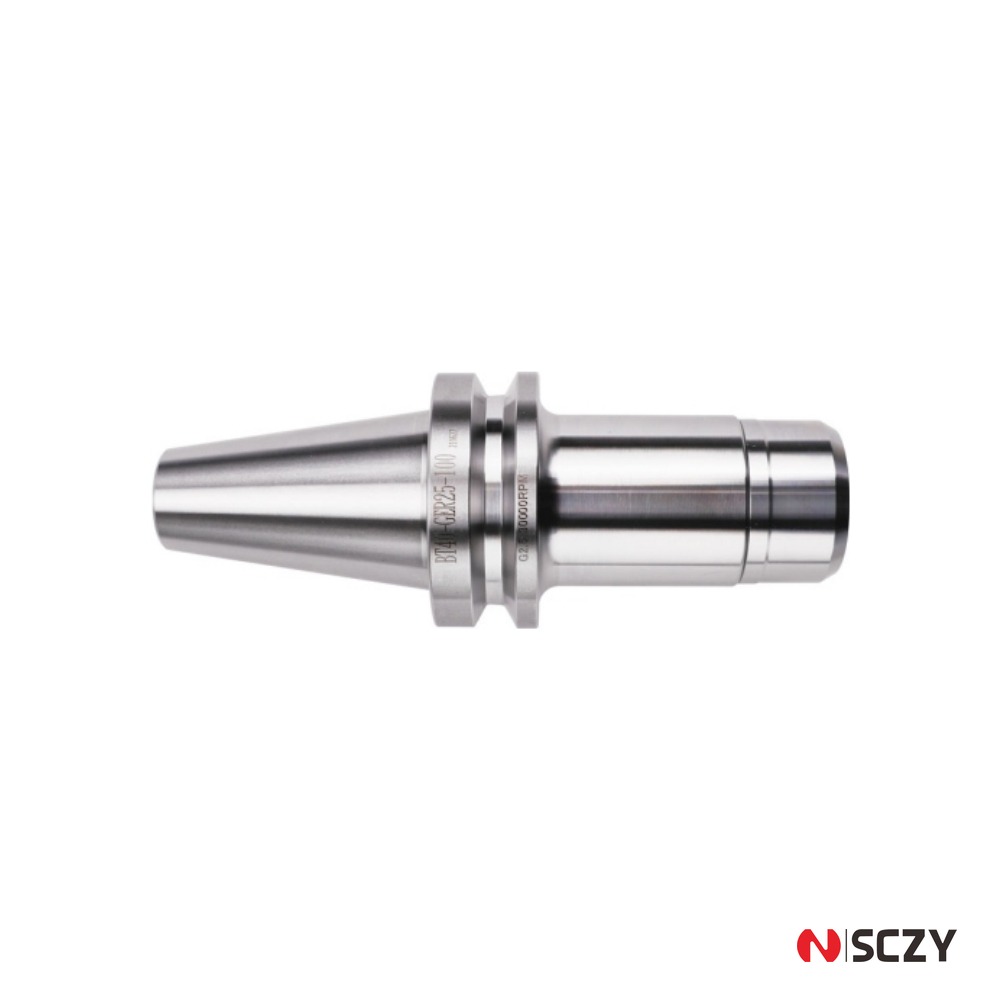
A practical CAT40 vs BT40 comparison: the shared 7/24 taper, flange and pull stud differences, and why the two standards are not interchangeable.
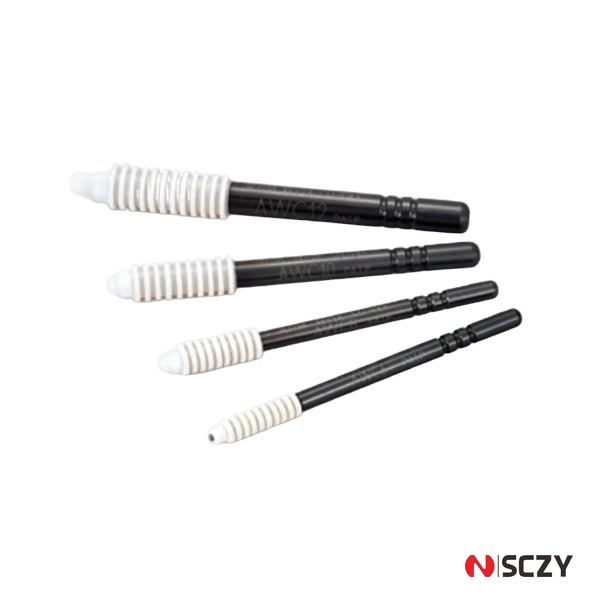
A shop-floor routine for keeping holder tapers, collets and pull studs clean, and for storing holders so runout stays where it belongs.
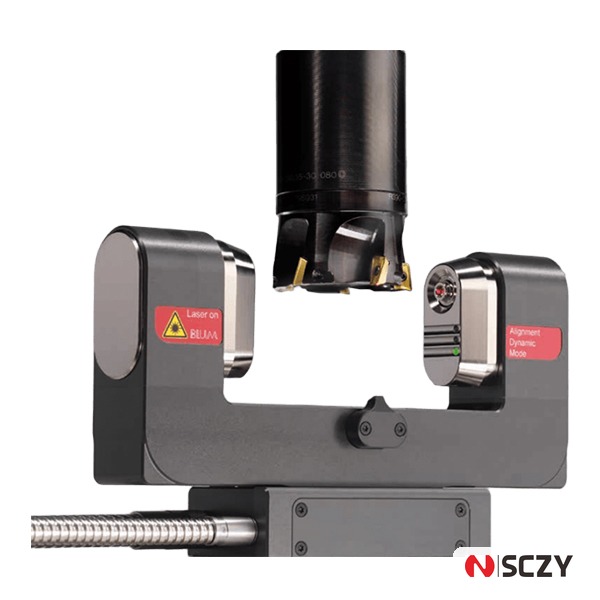
How bench presetters, laser setters and contact tool setters differ in accuracy, setup time and cost, and how to choose the right one for your shop.
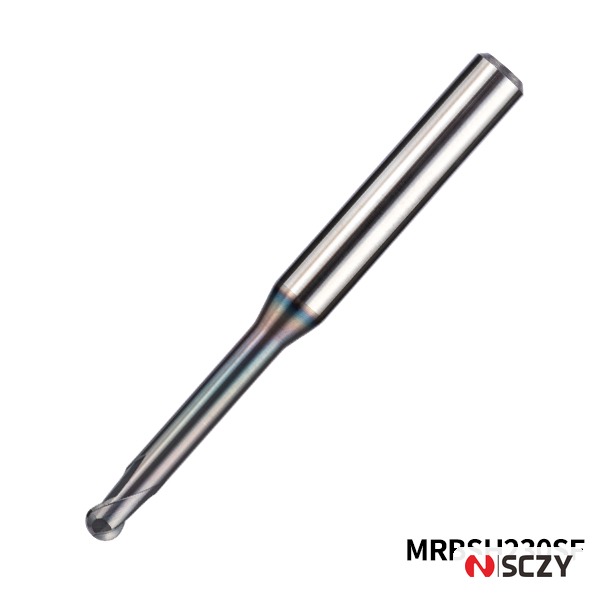
Stepover and scallop height math for ball nose end mills, effective-diameter speed correction, and a ball vs bull nose vs flat comparison for mold and die work.
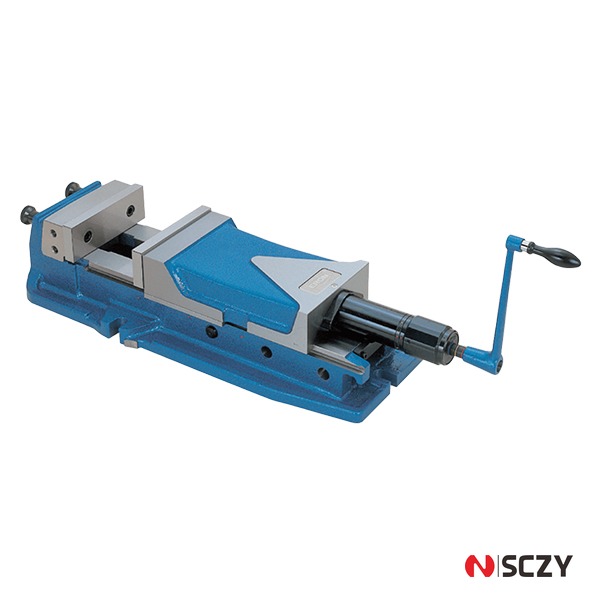
How hydraulic and manual machine vises compare on clamping force, repeatability and cost, and the batch-size thresholds where a hydraulic vise pays for itself.
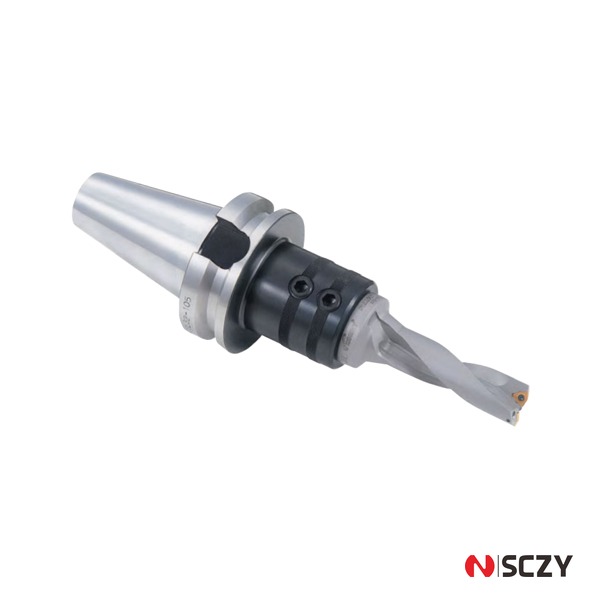
How side lock end mill holders grip cutters, where they beat collet chucks, and the Weldon flat specs and torque values to check before ordering.
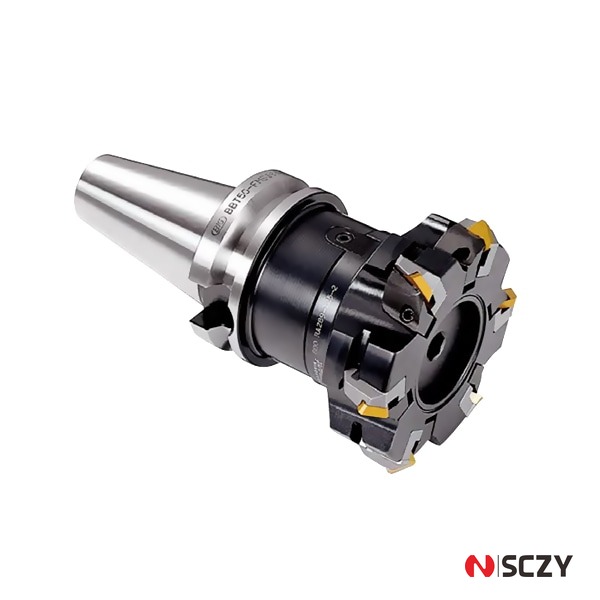
A practical guide to shell mill arbor types, cutter bore matching, projection sizing and runout checks for face milling.
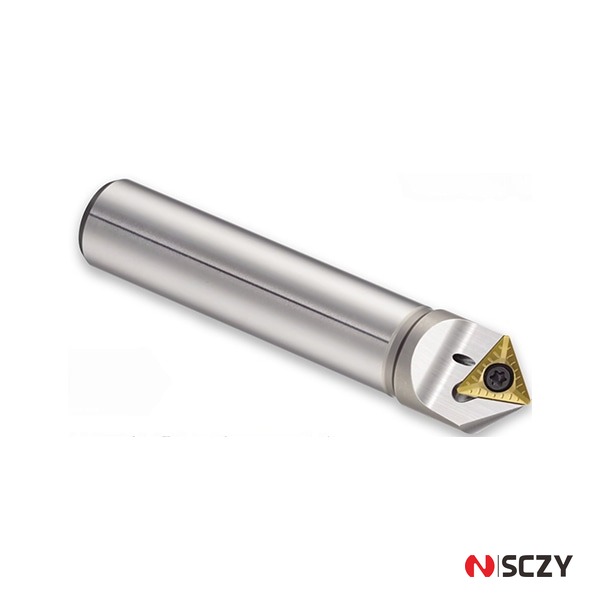
How to pick the starter cut for CNC drilling: point angles, seat depth and when a chamfer mill can replace the spot drill.