Hydraulic Tool Holders: What the Oil Chamber Actually Buys You
How the oil chamber inside a hydraulic expansion chuck delivers repeatable 3-micron TIR, real damping for thin-wall work, and where its torque limits draw the line.

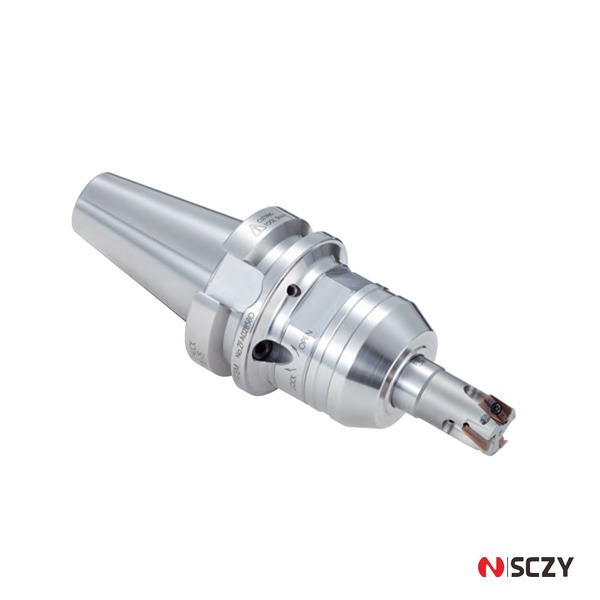
How the oil chamber inside a hydraulic expansion chuck delivers repeatable 3-micron TIR, real damping for thin-wall work, and where its torque limits draw the line.
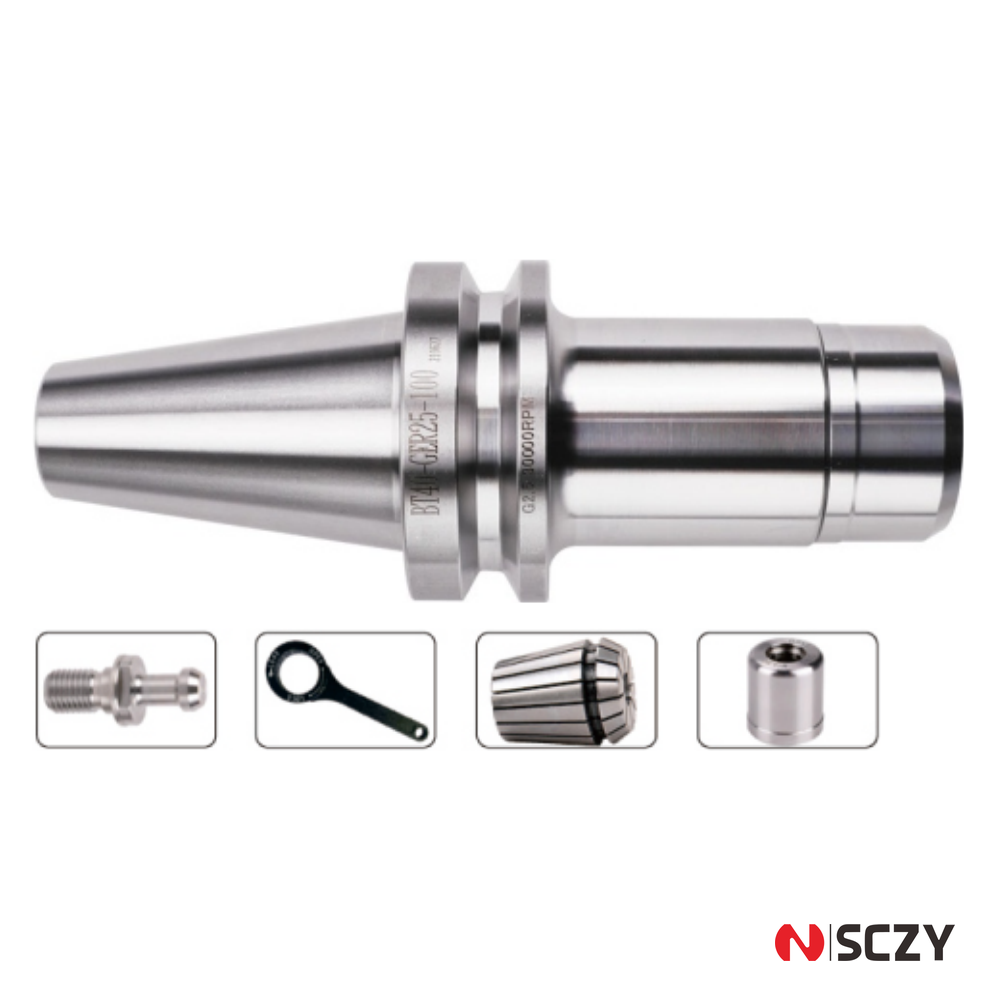
How to size an ER collet chuck from ER11 to ER40: clamping range rules, nut torque, bearing nut gains, runout limits and the clearance check catalogues skip.
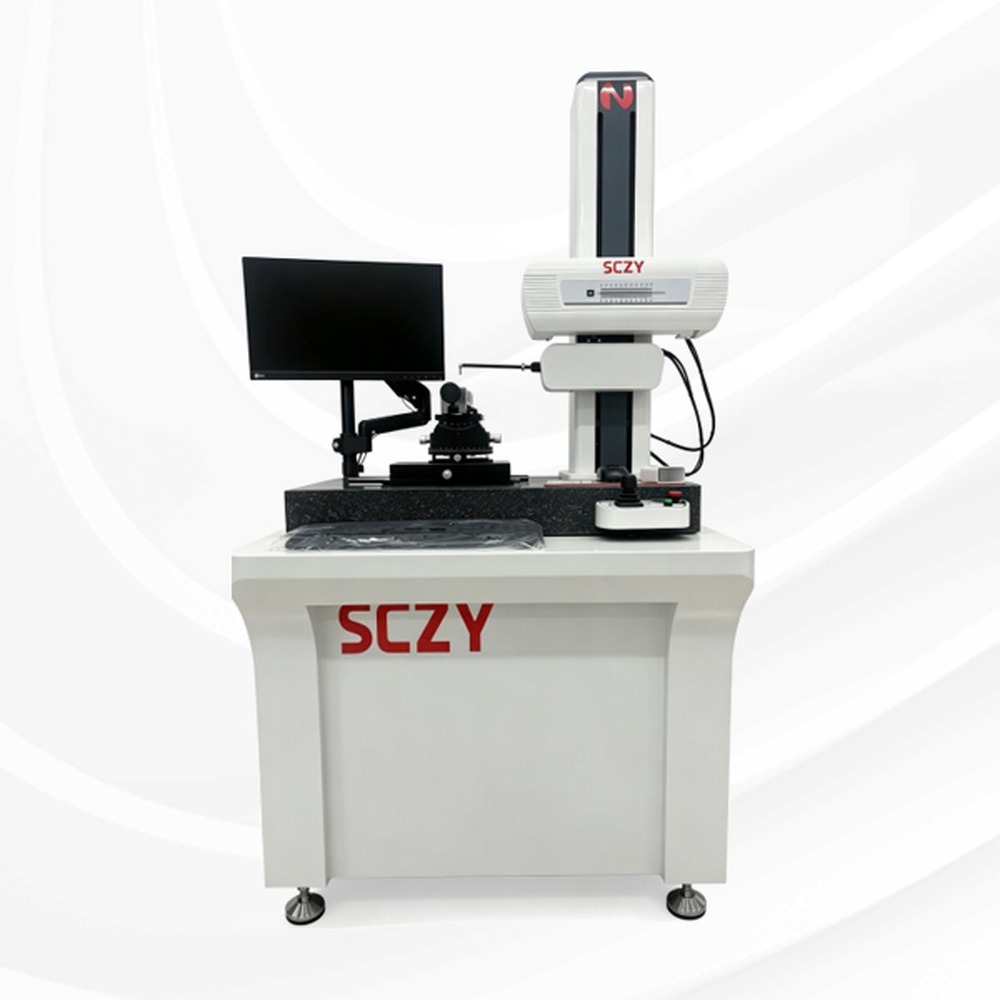
How to tell a bench stylus profilometer from a handheld roughness tester, what the datum and stylus geometry do to your numbers, and which class your drawing set actually requires.
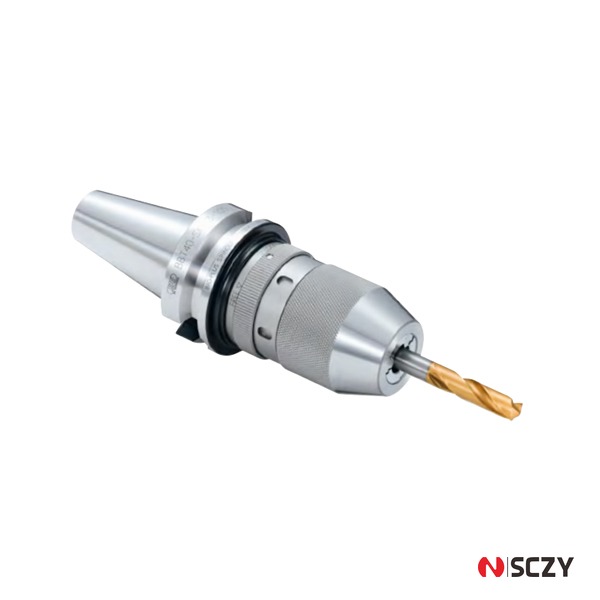
A practical buyer’s guide to CNC drill chucks: keyed vs keyless designs, what TIR runout ratings really mean, and which shank option fits your spindle.
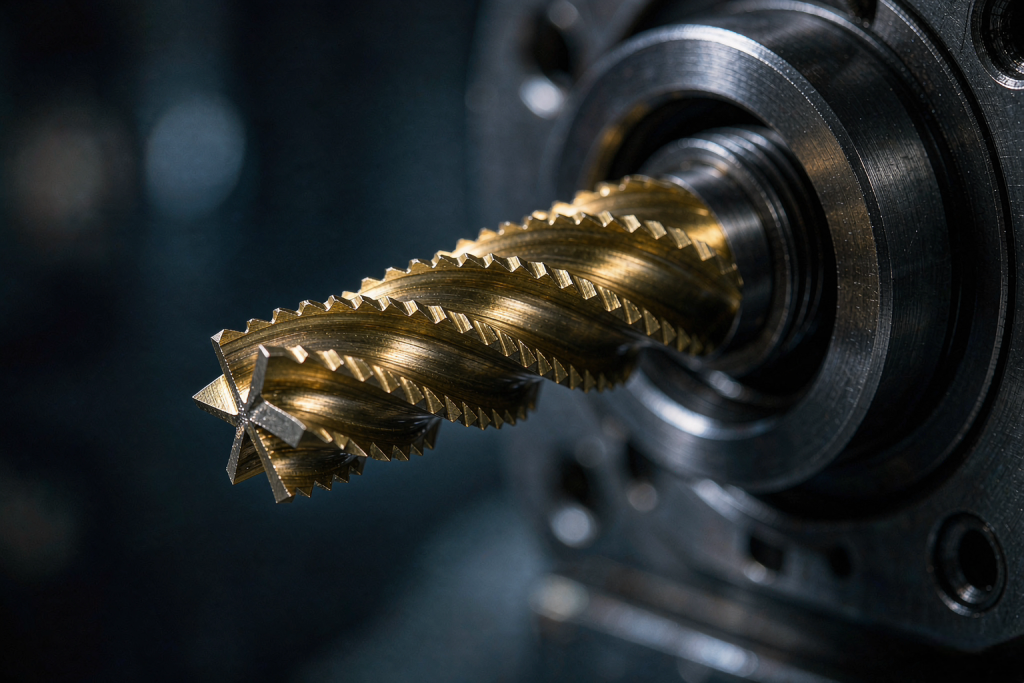
How roughing end mill chip splitter geometry, pitch and flute count drive stock removal, and which holders keep heavy roughing chatter-free.
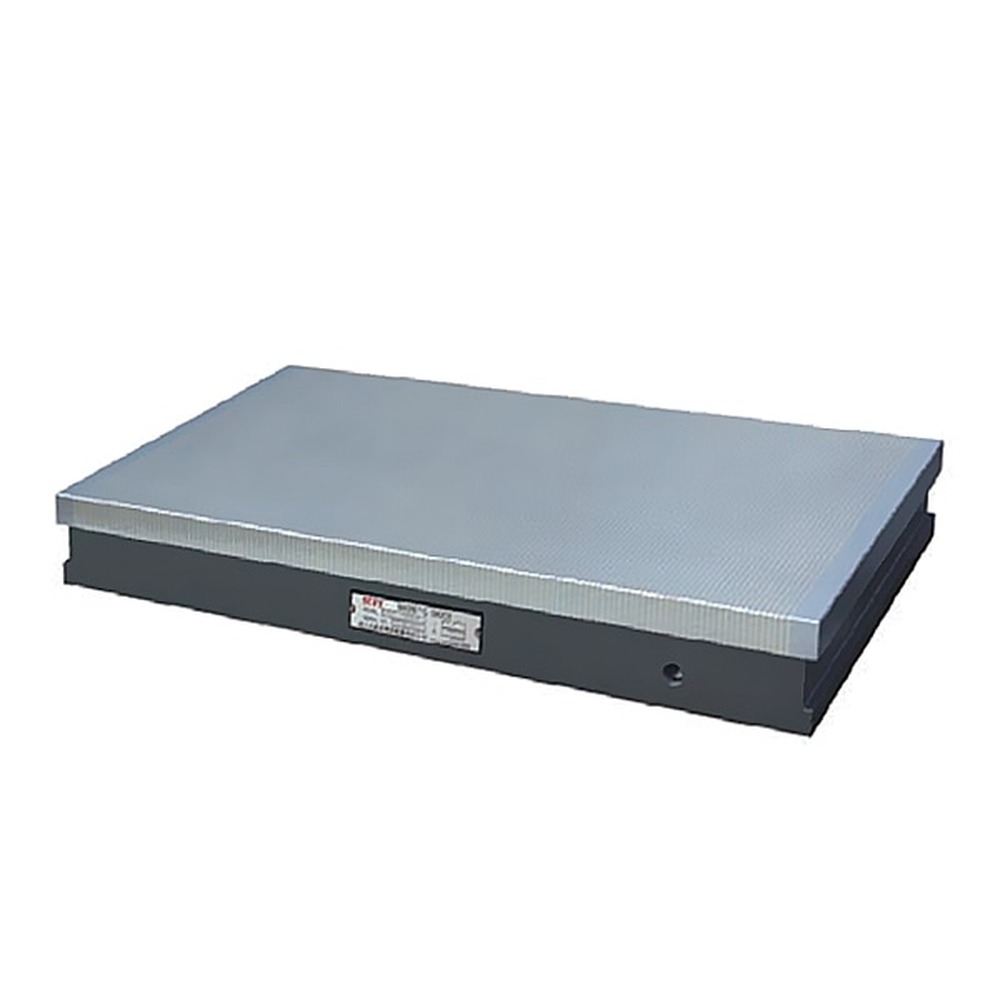
How pole pitch on a magnetic chuck decides holding force on thin and small parts, and when fine pole or dense pole electro-permanent chucks win.
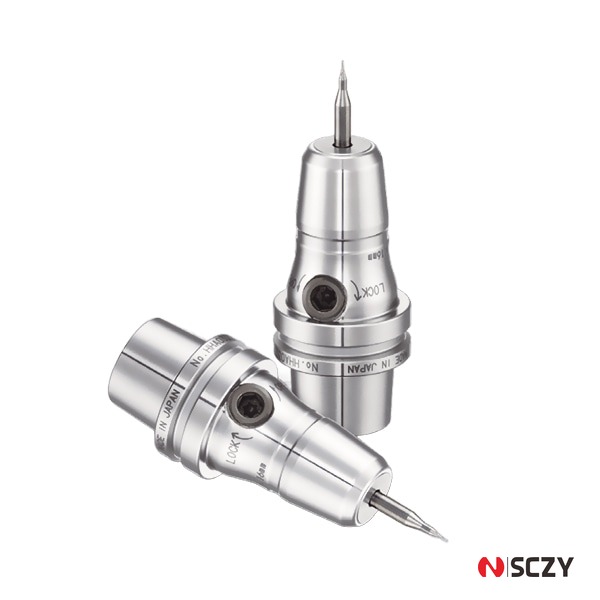
A practical buyer’s guide to HSK-A63, HSK-A100 and HSK-E tool holders: what the interface letters mean, clamping force, balance grades and the checklist before you order.
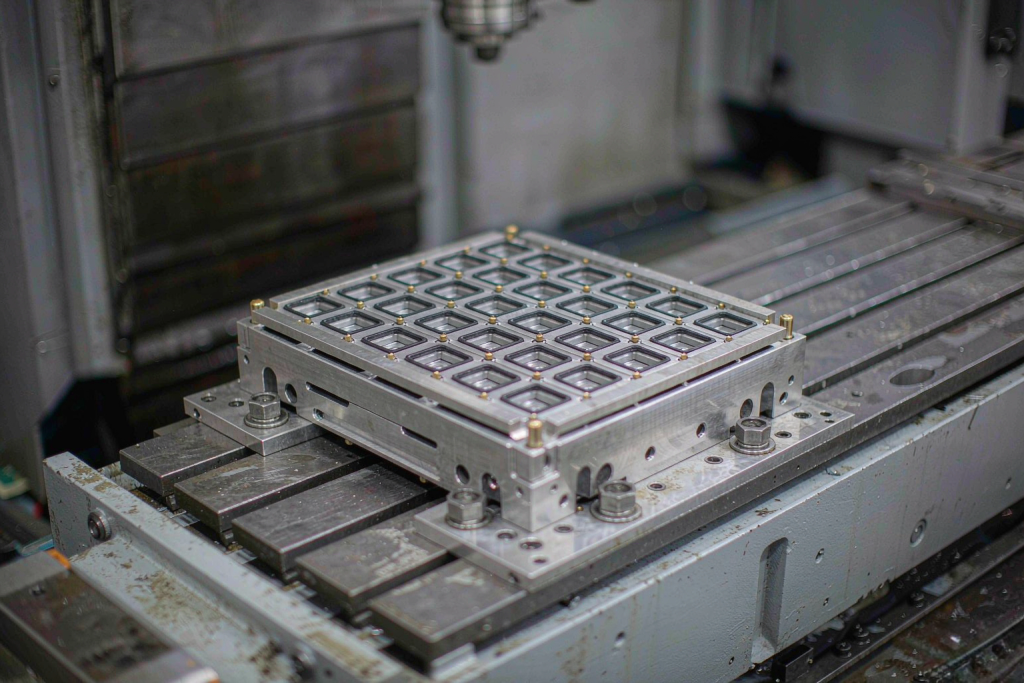
Holding-force math, failure modes and pump sizing for vacuum chuck for CNC machining, with an honest comparison against magnetic and pneumatic clamping.
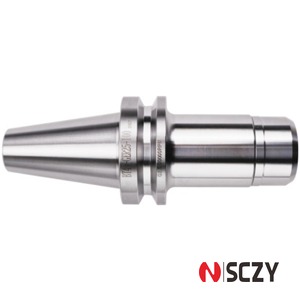
How to choose between BT30 and BT40 tool holders: drawbar force, stiffness, holder mass and the real cutting limits of each taper.
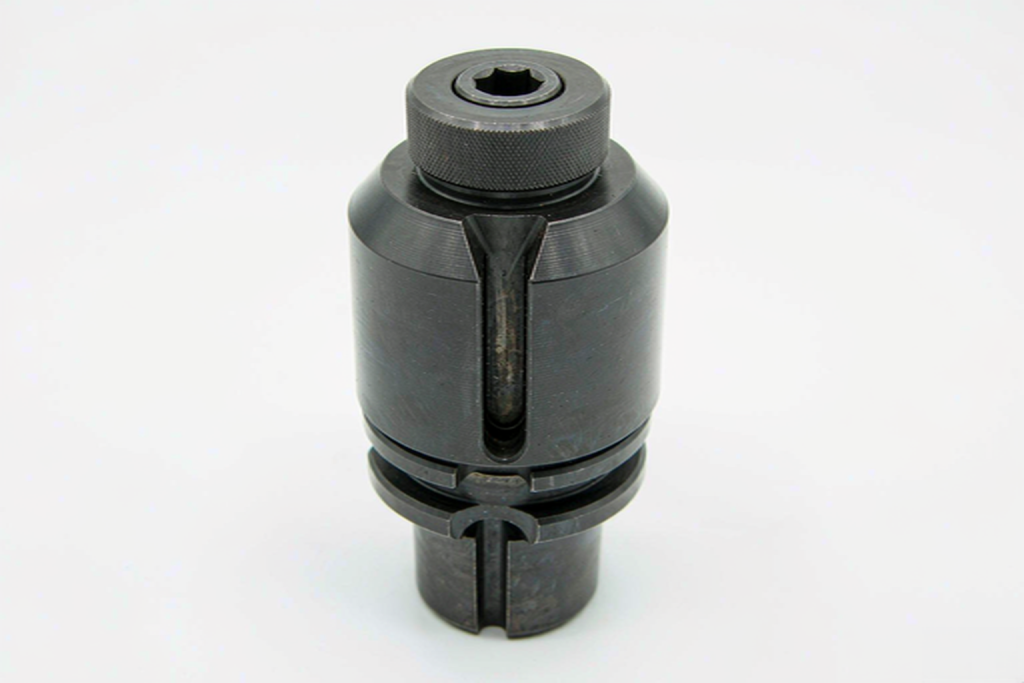
A power milling chuck buying guide: full-shank clamping force vs ER collet chucks, sizing, nut torque and balance checks for heavy CNC roughing.