Fine Pole Magnetic Chucks: How Pole Pitch Decides Whether Thin Parts Hold or Slide
How pole pitch on a magnetic chuck decides holding force on thin and small parts, and when fine pole or dense pole electro-permanent chucks win.


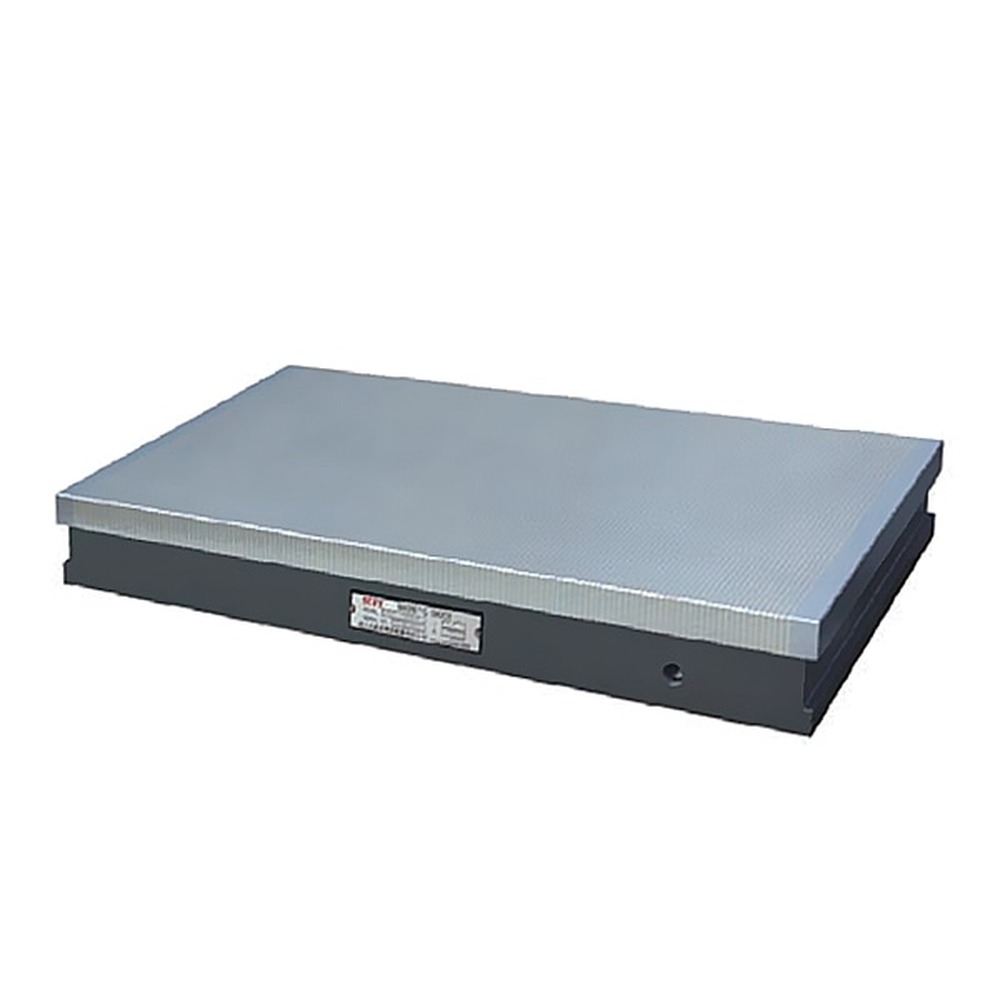
How pole pitch on a magnetic chuck decides holding force on thin and small parts, and when fine pole or dense pole electro-permanent chucks win.
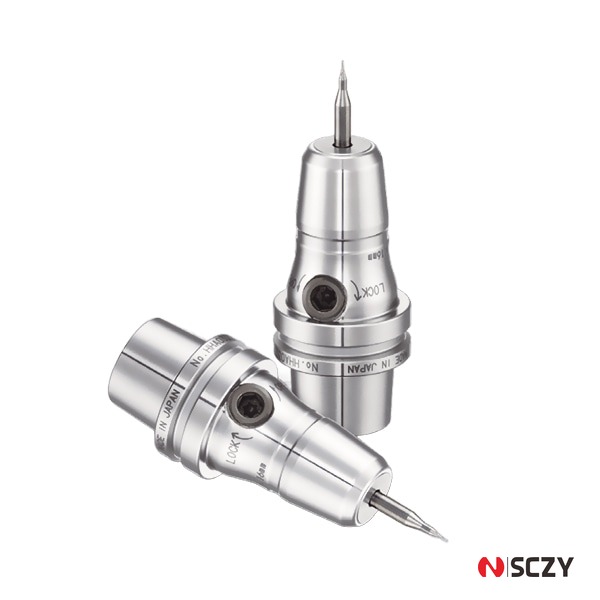
A practical buyer’s guide to HSK-A63, HSK-A100 and HSK-E tool holders: what the interface letters mean, clamping force, balance grades and the checklist before you order.
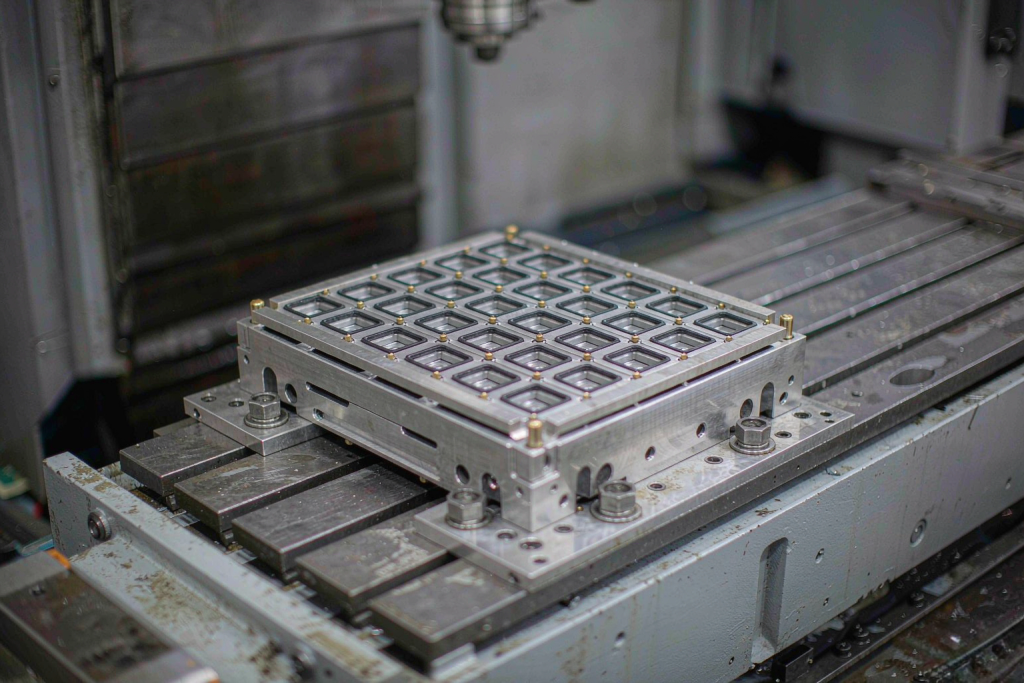
Holding-force math, failure modes and pump sizing for vacuum chuck for CNC machining, with an honest comparison against magnetic and pneumatic clamping.
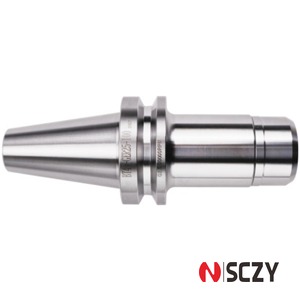
How to choose between BT30 and BT40 tool holders: drawbar force, stiffness, holder mass and the real cutting limits of each taper.
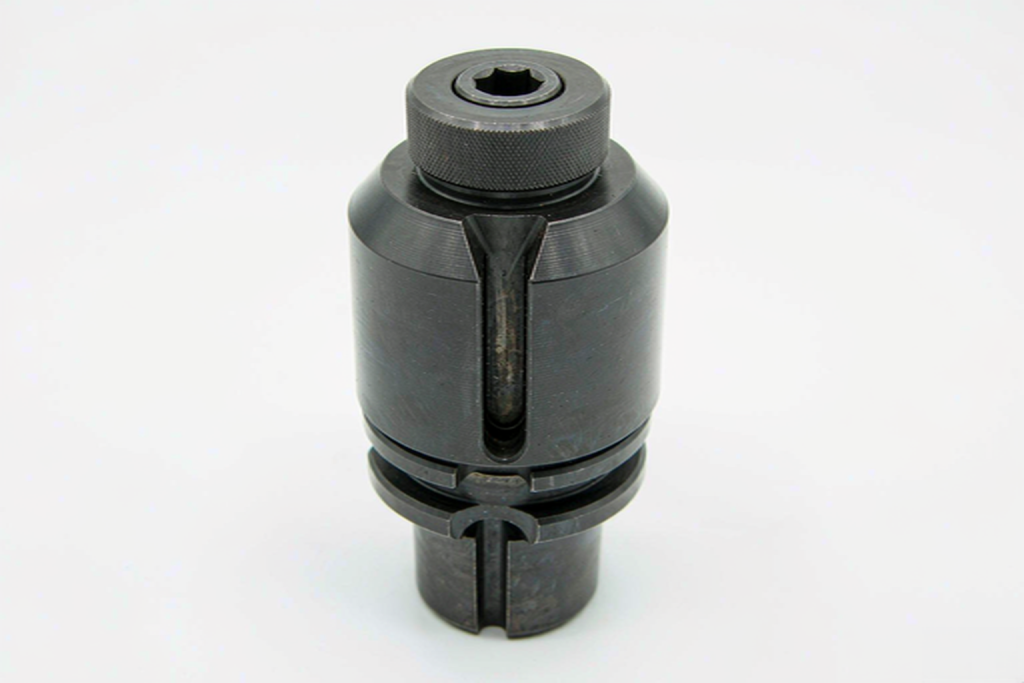
A power milling chuck buying guide: full-shank clamping force vs ER collet chucks, sizing, nut torque and balance checks for heavy CNC roughing.
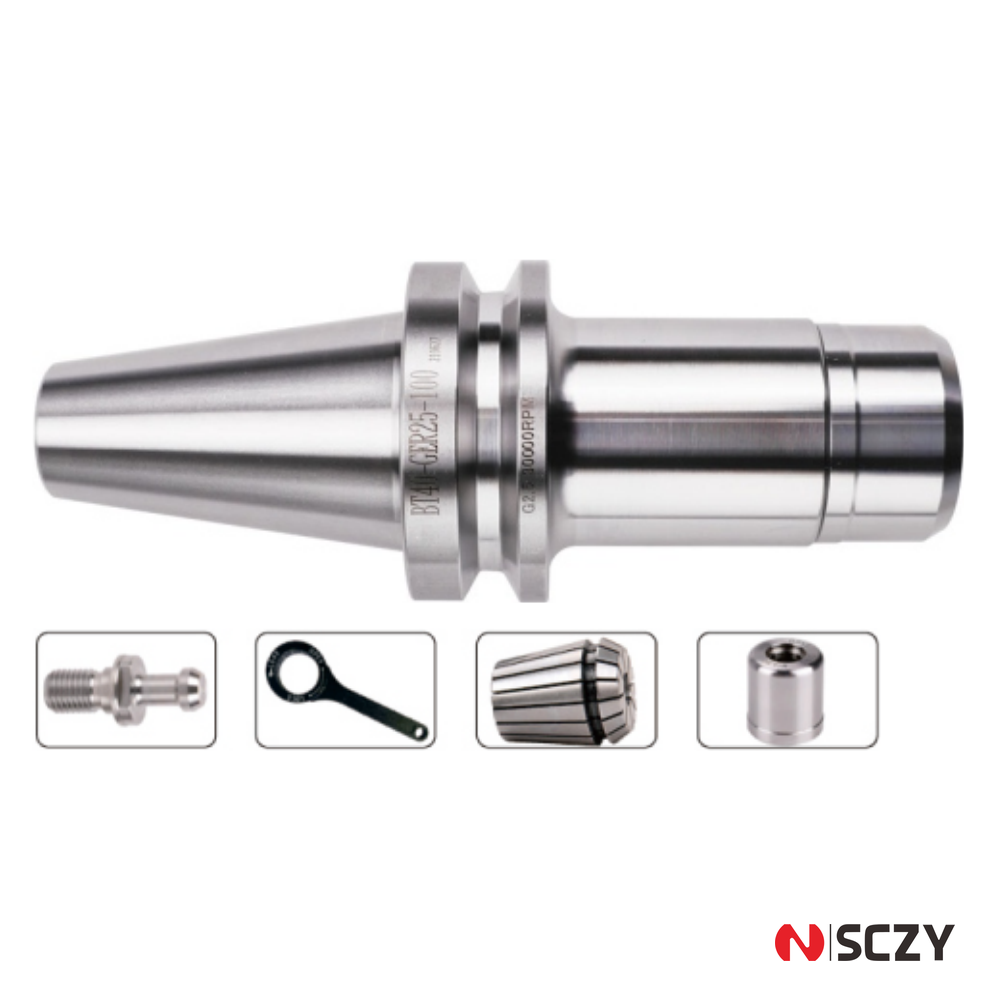
What dual contact actually changes on a BT40 spindle, the four interface conditions a BBT40 conversion depends on, and when an HSK-A63 makes more sense.
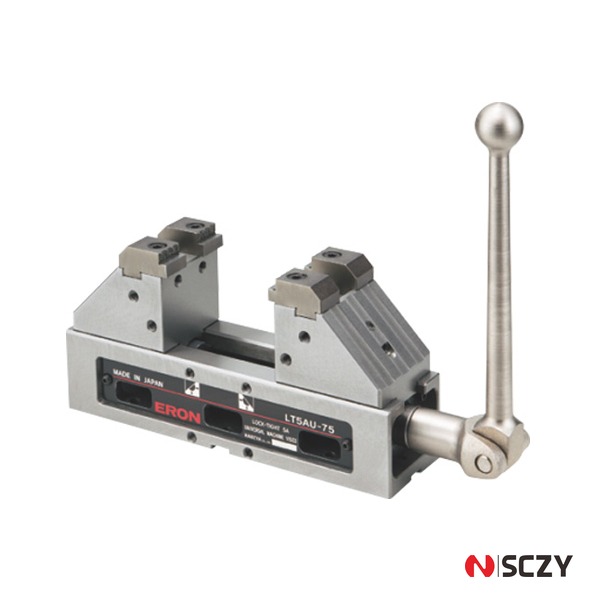
How to choose a 5-axis vise: low-profile bodies, pull-down clamping, jaw options for five-sided machining and when zero-point pallets pay off.
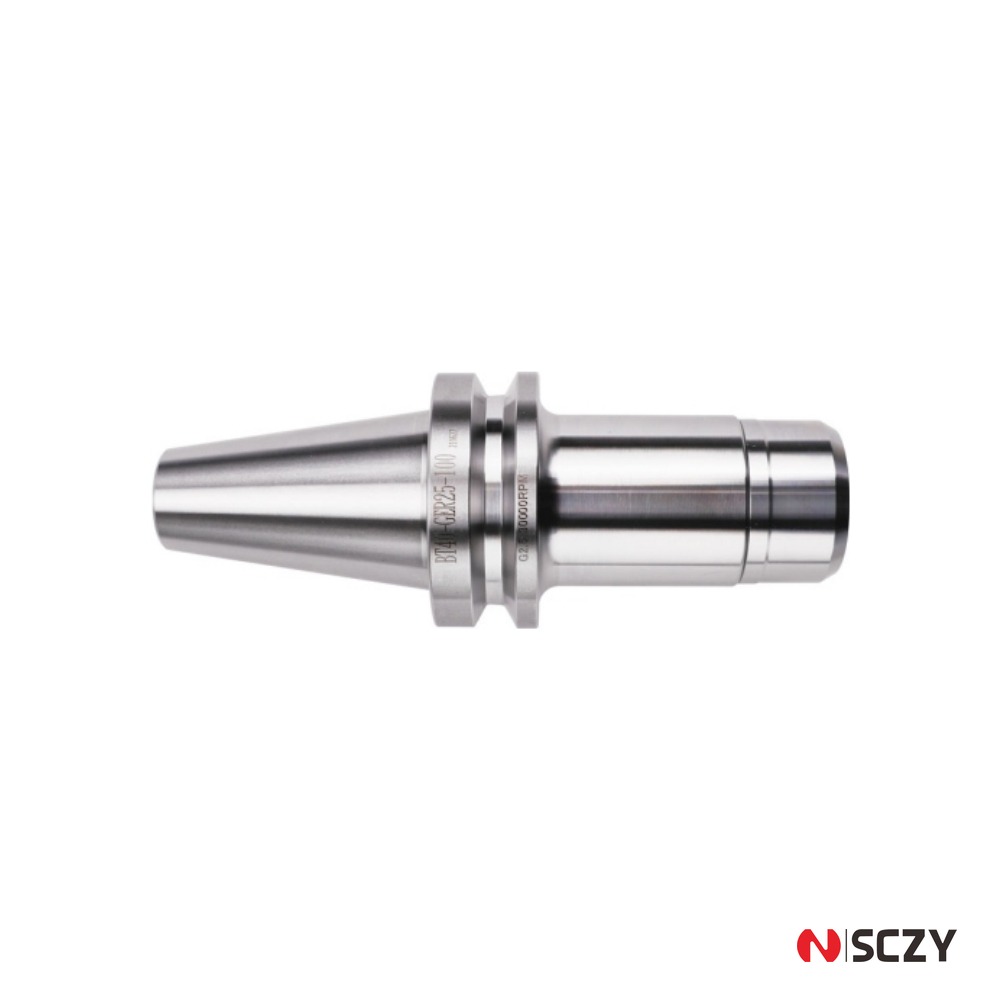
A practical CAT40 vs BT40 comparison: the shared 7/24 taper, flange and pull stud differences, and why the two standards are not interchangeable.
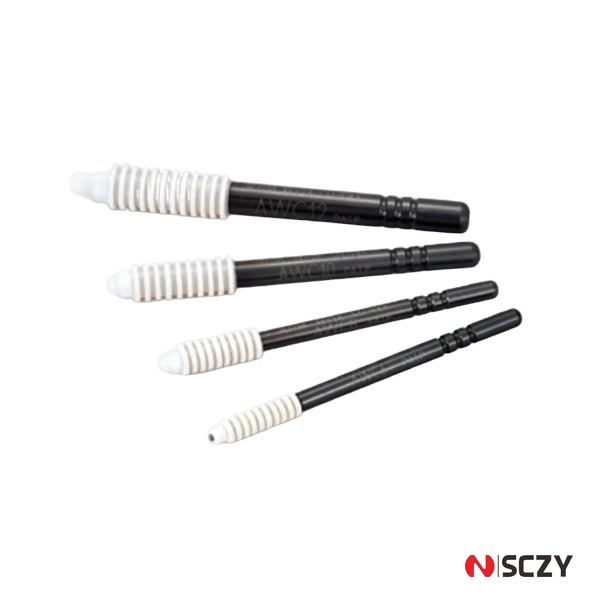
A shop-floor routine for keeping holder tapers, collets and pull studs clean, and for storing holders so runout stays where it belongs.
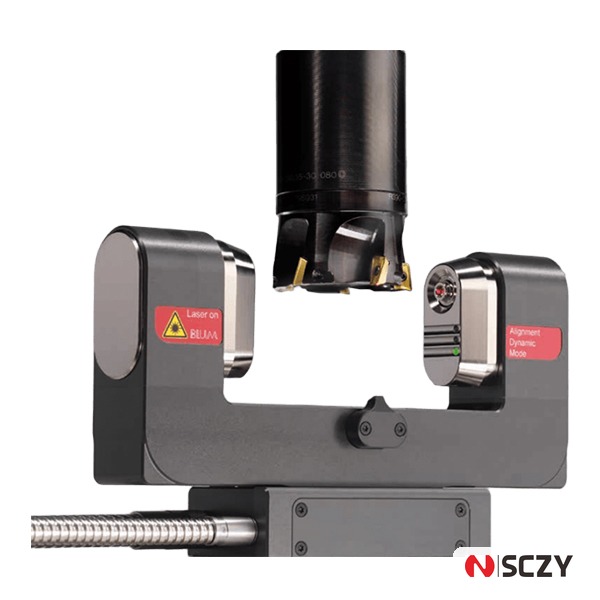
How bench presetters, laser setters and contact tool setters differ in accuracy, setup time and cost, and how to choose the right one for your shop.